
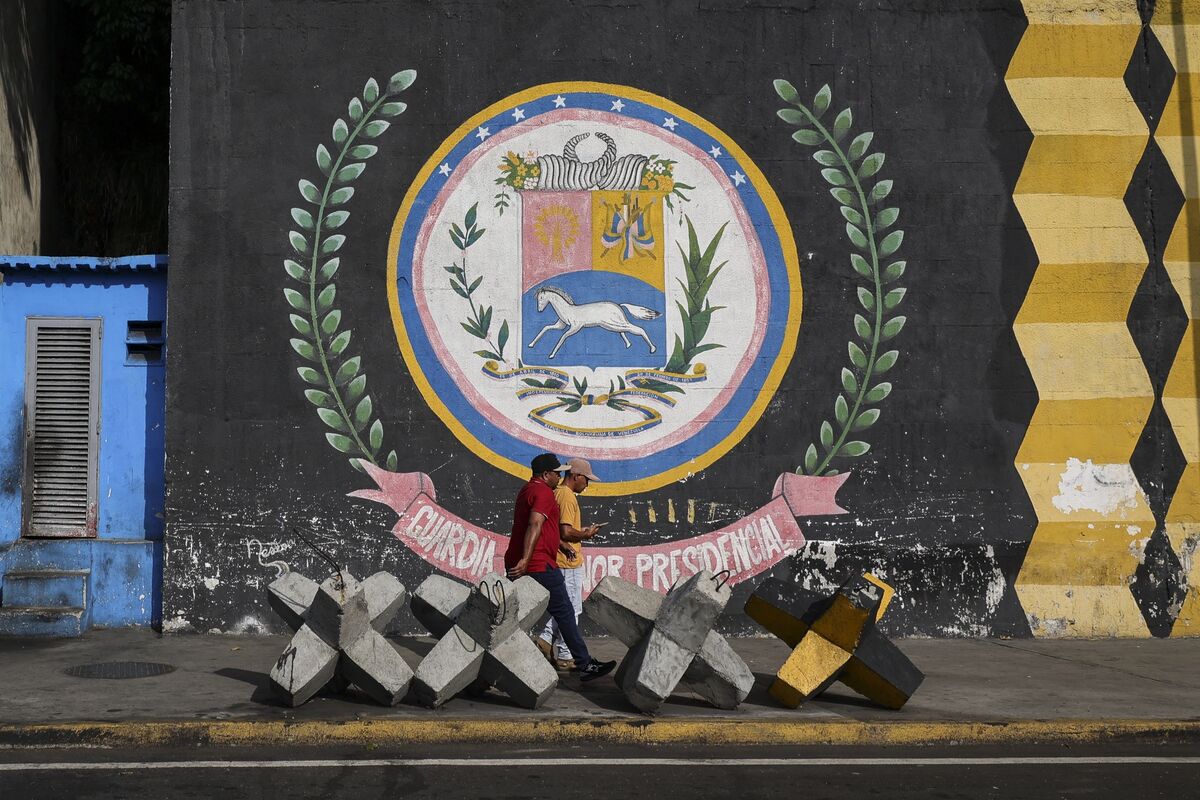
Venezuelan President Nicolás Maduro has been a central figure in the country’s political landscape for over a decade, leading Venezuela through periods of significant economic and social upheaval. His rise to power followed the death of Hugo Chávez in 2013, and since then, Maduro’s tenure has been marked by widespread protests, economic collapse, and allegations of authoritarianism. The political climate has often been characterized by tensions between Maduro’s government and opposition factions, both domestic and international.
The arrest of Maduro or individuals associated with his government has historically been linked to efforts by opposition groups to challenge his authority or to investigate allegations of corruption and abuse of power. Some of these incidents have been driven by ongoing disputes over election legitimacy, human rights concerns, and economic mismanagement. International actors, including the United States and regional neighbors, have also played roles in supporting opposition efforts or imposing sanctions, which further complicate the political environment in Venezuela.
In this context, any move to detain Maduro or members of his administration is seen against a complex backdrop of internal power struggles and external influences. Such actions often prompt responses from the government both within Venezuela and from the international community, reflecting the fractured state of the country’s leadership and the ongoing political crisis. The historical tension surrounding Maduro’s rule underscores the volatility in Venezuelan politics and the high stakes involved in any legal or political developments concerning him.