
Published 2026-03-18
Summary: Aluminum demand in China appears muted amid a surge in prices linked to the Iran conflict, with inventories building despite a global supply squeeze attributed to the war. Analysts describe China’s uptake as disappointing while prices sit at multi-year highs, complicating the metal’s near-term trajectory.
What We Know
- Aluminum prices rose to a four-year high amid the Iran war, signaling tighter global supply conditions.
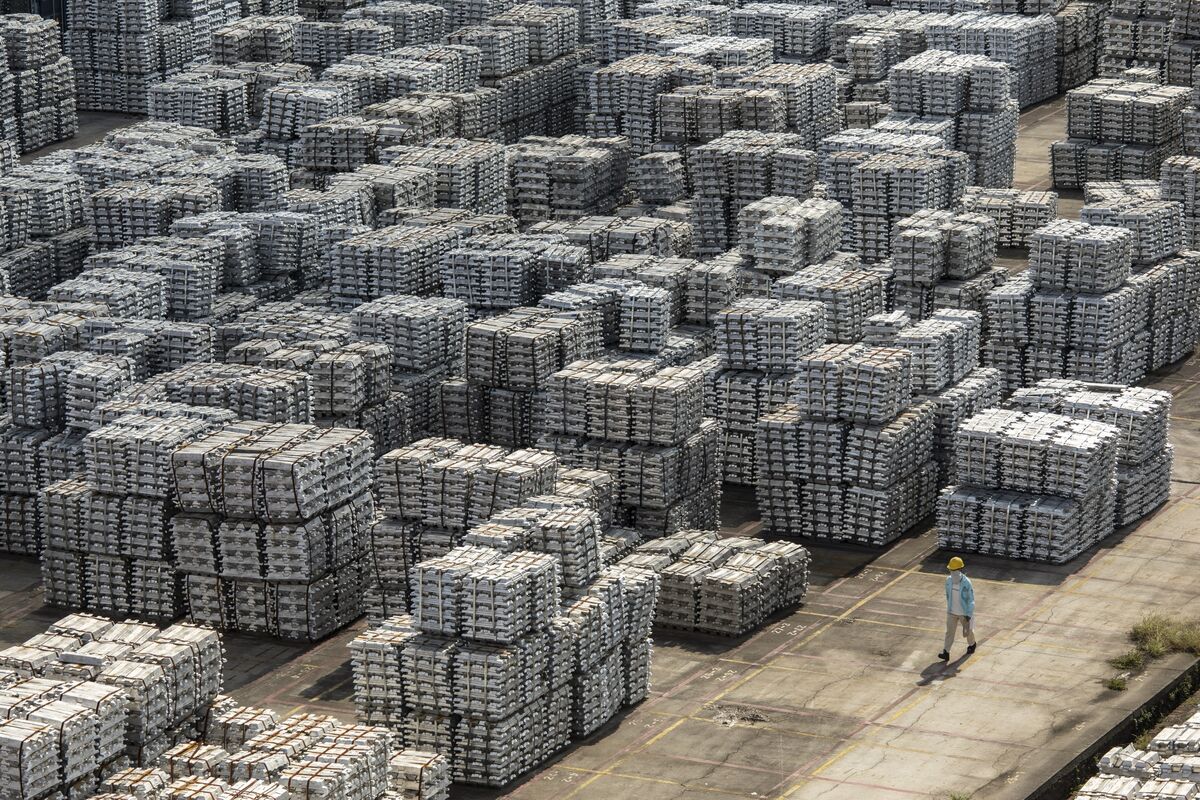
- China’s aluminum demand is described as disappointing by market observers, even as inventories are accumulating.
- Aluminum is cited as a critical manufacturing input by major economies, influencing Western and EU considerations in supply chains.
- The Iran conflict is linked to vulnerabilities in Western aluminum markets and broader commodity supply chains.
- Market coverage notes that aluminum is directly affected by the war in Iran and is among metals impeded by reduced global shipments.
What’s Still Unclear
- The exact quantitative change in aluminum demand in China due to the Iran war.
- Whether the downturn in China’s demand is temporary or will persist into the medium term.
- Specific policy or price-response mechanisms China may deploy to stabilize aluminum intake or inventories.
- How other producers or trading hubs might reallocate supply in response to China’s demand dynamics.
Context
General background: The ongoing conflict involving Iran has disrupted global aluminum supply chains and heightened price pressures. Aluminum is widely used in manufacturing and is considered a critical input by major economies, influencing how producers, traders, and policymakers view risk and resilience in metal markets.
Why It Matters
Shifts in China’s aluminum demand and the price environment can affect global metal flows, downstream manufacturing costs, and policies tied to critical inputs. A muted Chinese uptake against a backdrop of high prices and tight supply could dampen near-term market sentiment and influence inventories and trade-offs for buyers and sellers worldwide.
What to Watch Next
- Monitor any updated data on Chinese aluminum inventories and imports.
- Watch for price movements in response to Chinese demand signals and any Reuters/Bloomberg updates on supply constraints.
- Observe potential policy discussions in Western markets regarding critical inputs like aluminum in light of the Iran conflict.
- Assess regional shifts in supply chains as producers adapt to changing demand dynamics in China.
FAQ
Q: What is driving the price of aluminum up related to the Iran conflict?
A: The conflict has disrupted global supplies and heightened concerns about access to a critical manufacturing input, contributing to price increases.
Q: Is China reducing its aluminum production since demand appears weak?
A: The available information notes disappointing demand and growing inventories in China but does not confirm changes to production levels.
Related coverage
- Trump delays Xi summit: foreign policy schedule shifts
- China investment banking leadership change: JPMorgan names
- China overtook Germany nuclear power 2012
Source Transparency
- This article is based on a short preliminary brief and may not reflect the full details available in ongoing reporting.
- Source links are provided in the Sources section where available.
- A limited open-web check was used to clarify key details when possible; unclear items remain clearly marked.
Original brief: Aluminum, one of the metals most directly affected by the war in Iran, is struggling to attract buyers in China after prices surged to a four-year high…
Sources
- Iran war exposes fragility of Western aluminium market
- Aluminum Piles Up in China as Iran War Shrinks Global Supplies
- Iran War Disrupts Western Aluminum Supply Chains
- Aluminium hits near four-year high as Iran war fuels supply fears
- Ongoing tariffs, Iran war weigh on aluminum prices