
Published 2026-04-05

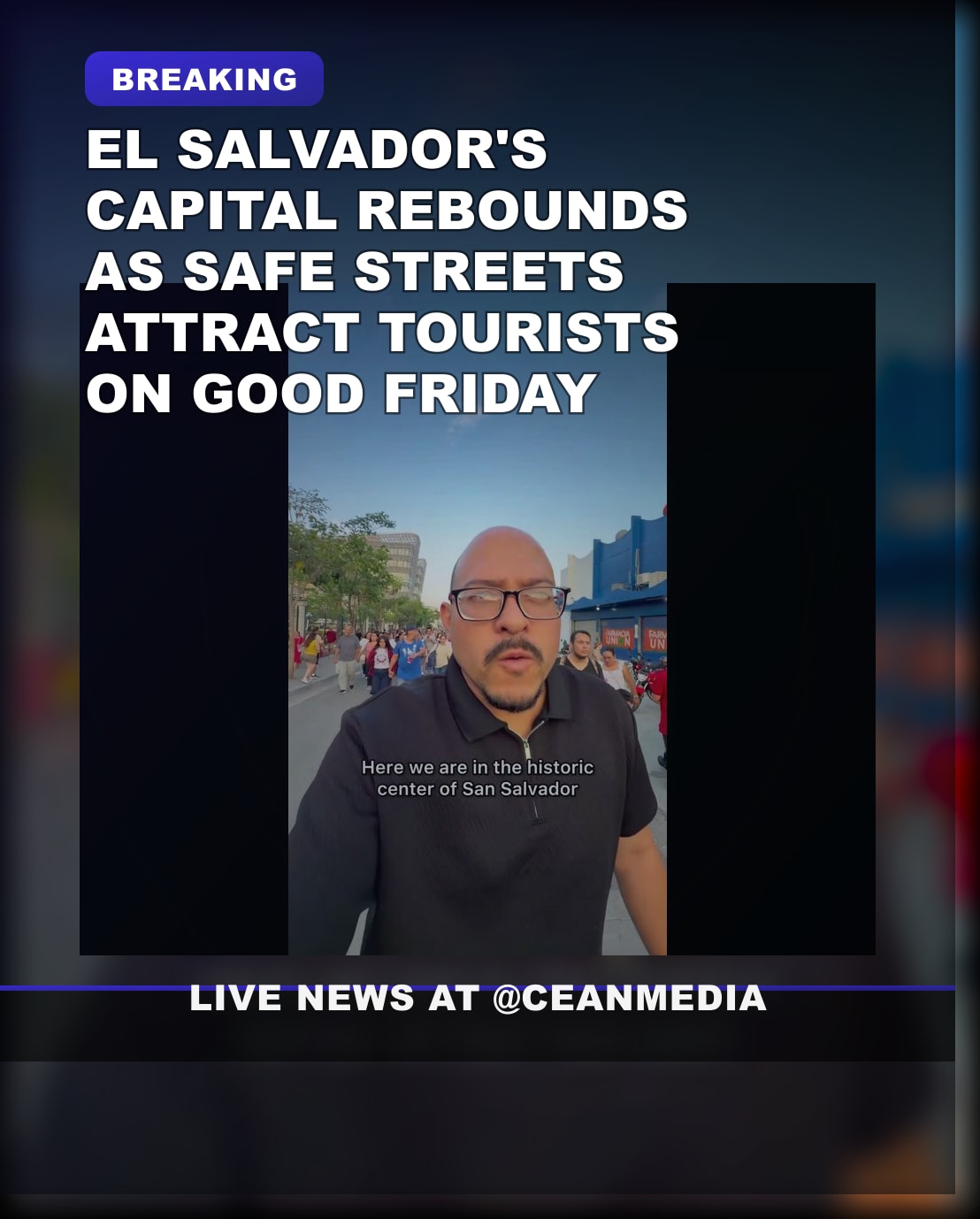
Summary: El Salvador’s capital, San Salvador, is highlighted for a notable turnaround around Good Friday, with downtown areas that were once controlled by gangs now drawing domestic and international tourists amid broader discussions of a safety rebound.
What We Know
- Reports describe El Salvador as transforming from high crime to safer conditions in multiple sources, with the capital San Salvador singled out in discussions of this shift.
- Several sources attribute the transformation to crime crackdown and security measures under President Nayib Bukele, contributing to improved safety perceptions.
- There are mentions of a rebound or resurgence of activity in downtown San Salvador and increased interest in its historic district.
- Observers note a change in the capital’s atmosphere where areas once dominated by violence are now attracting tourists.
- The transformation is discussed in context of broader national safety improvements and urban revival narratives.
What’s Still Unclear
- Specific, quantified safety metrics or crime statistics confirming the degree of improvement are not provided in the available material.
- Detailed timelines or the exact scope of security measures across different neighborhoods are not described here.
- Variants in how different outlets characterize the transformation (e.g., compare crime rates vs. tourist activity) are not clarified.
- Long-term sustainability and potential risks post-transformation are not addressed in the excerpts.
Context
El Salvador has been discussed in various outlets as undergoing a dramatic shift in safety dynamics in recent years, with narratives focusing on a crackdown on crime and measures implemented by national authorities. Downtown San Salvador and its historic district have been cited as experiencing renewed visitor interest as part of broader discussions about the country’s changing security landscape.
Why It Matters
The reported transformation touches on tourism, urban development, and perceptions of safety, which can influence travel decisions, investment, and how residents experience city life. Understanding whether and how these changes are sustained helps inform travelers and policymakers about potential risks and opportunities.
What to Watch Next
- Monitoring updated travel advisories and safety indicators for San Salvador and its historic districts.
- Follow-up reporting on crime statistics and the scope of security measures in urban centers.
- New tourism trends or business developments linked to the revival of downtown areas.
- Longitudinal analyses comparing pre- and post-transformation conditions in major cities across the region.
FAQ
Q: What sparked the transformation in El Salvador’s capital?
A: Multiple sources describe a crackdown on crime and security measures as contributing factors, though specifics and metrics are not detailed here.
Q: Is the safety improvement uniform across the city?
A: Available material highlights downtown and the historic district, but does not provide a complete breakdown of safety improvements citywide.
Related coverage
- Syrian-born MEP Rima Hassan Faces July Trial Over
- Artemis II Easter reflections: Glover on Moonward Journey
- France Easter Vigil Mass held in spotlight
Source Transparency
- This article is based on a short preliminary brief and may not reflect the full details available in ongoing reporting.
- Source links are provided in the Sources section where available.
- A limited open-web check was used to clarify key details when possible; unclear items remain clearly marked.
Original brief: The capital city of El Salvador on Good Friday
A couple of years ago, it was nearly impossible to go for a stroll in these areas as they were controlled by some of the world’s most violent gangs
Today, they are full with domestic & international tourists…
Sources
- The Transformation of Downtown San Salvador: Why Millions are Flocking …
- How did El Salvador make transformation from murder capital to safe haven?
- From Murder Capital to Security State: El Salvador's Transformation …
- El Salvador: Critics denounce their government as a dictatorship. But …
- The Transformation of El Salvador and its Economy