
Published 2026-04-09

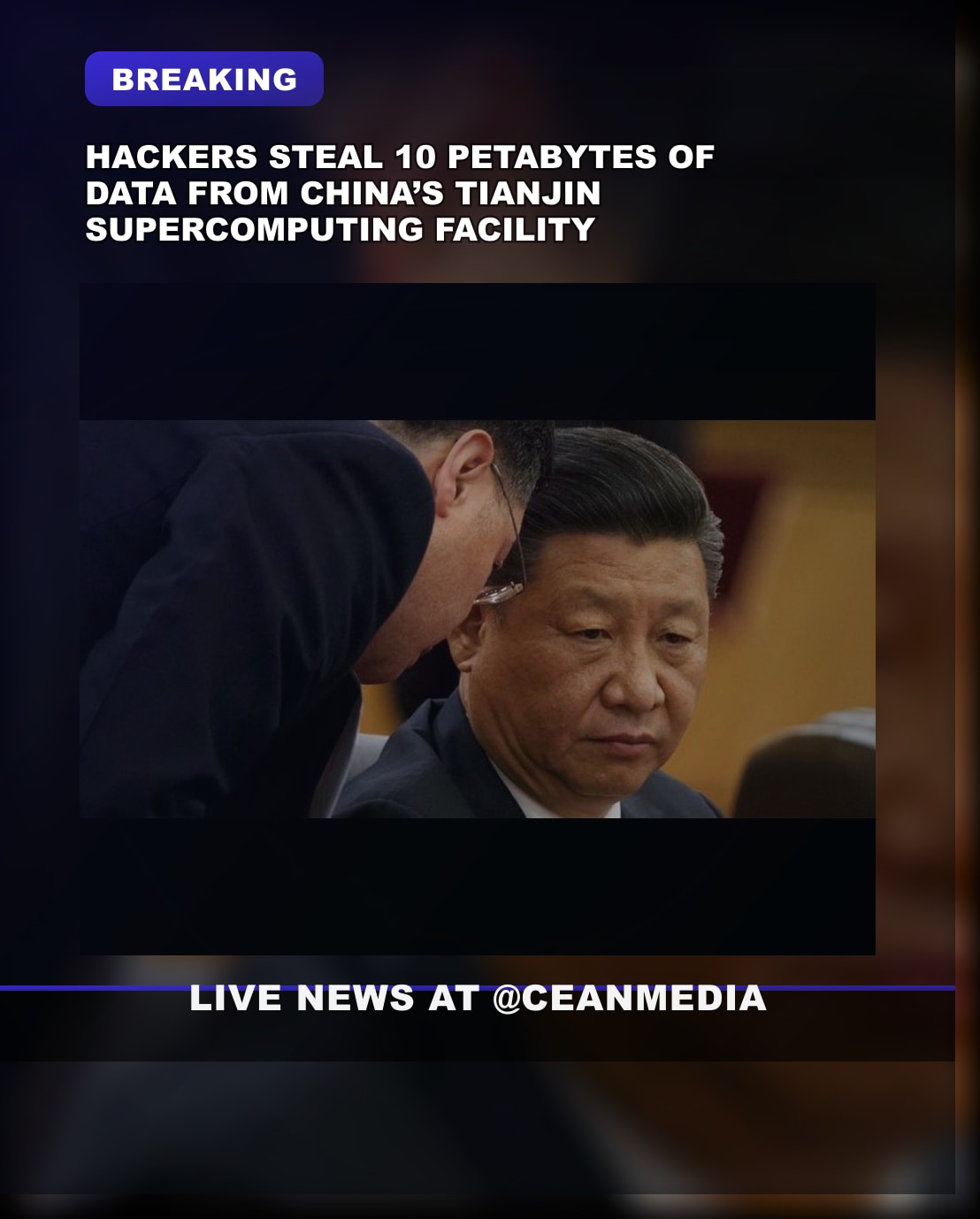
Summary: Hackers claim to have breached China’s National Supercomputing Center in Tianjin, exfiltrating over 10 petabytes of data. The data reportedly includes defense, aerospace, and related research, though verification of these claims and the breach’s scope is not confirmed in official sources.
What We Know
- Hackers claim to have breached China’s National Supercomputing Center in Tianjin.
- The claimed exfiltration size is over 10 petabytes of data.
- The data allegedly includes defense-related materials such as missile/bomb schematics and aerospace/aviation research, according to the claims.
- The breach description characterizes it as one of the largest data heists reported in China.
- There is no official confirmation from Tianjin National Supercomputing Center or authorities in the available information.
What’s Still Unclear
- Whether the breach actually occurred or remains a claim by hackers.
- Whether the stolen data is definitively confirmed as military or defense-related.
- Names or attribution for the hacking group beyond what is claimed in the reports (e.g., FlamingChina).
- Details on how the exfiltration occurred or the specific contents of the 10 PB dataset.
- Any official response or remediation steps from Chinese authorities or the facility.
Context
State-backed and large-scale cyber incidents have raised concerns about cybersecurity in critical national infrastructure, military research, and high-performance computing facilities. China maintains several large-scale supercomputing centers that support scientific, defense, and industrial applications. Attribution and verification of such claims often unfold over weeks as investigations progress and authorities issue updates.
Why It Matters
The incident, if verified, could have implications for national security, defense research, and supply-chain confidence in sensitive data handling. It also highlights ongoing debates about cybersecurity, data governance, and the protection of government-supported research assets in large national facilities.
What to Watch Next
- Official statements or confirmations from the Tianjin National Supercomputing Center or Chinese authorities.
- Any technical assessments detailing the nature of the breach and data categories involved.
- Updates from cybersecurity researchers or industry analysts evaluating risk and attribution.
- Any policy or regulatory responses related to protecting state-backed research infrastructure.
FAQ
Q: Has the breach been confirmed by authorities?
A: At this time, there is no official confirmation in the available information; claims are reported by hackers and media outlets.
Q: What kind of data is alleged to have been stolen?
A: Claims suggest defense, aerospace, and related research data, but verification is not established in the provided sources.
Related coverage
- Vanke yuan bond extension: upfront 40% repayment to extend
- China’s EAF steelmakers see two-year high in capacity
- Taiwan defense diplomacy deterrent: Diplomacy touted
Source Transparency
- This article is based on a short preliminary brief and may not reflect the full details available in ongoing reporting.
- Source links are provided in the Sources section where available.
- A limited open-web check was used to clarify key details when possible; unclear items remain clearly marked.
Original brief: BREAKING:
Hackers have stolen 10 petabytes of data from China’s largest state-run supercomputing facility in Tianjin
The hackers were inside the system for months & stole:
– Missile and bomb schematics
– Aerospace and aviation research
– Bioinformatics & fusion simulation data…
Sources
- Hackers Claim Breach of China's Supercomputing Hub, Stealing 10PB of …
- Hacker claims theft of 10PB defense data from China supercomputer
- China Supercomputer Hacked: Hackers Claim They Stole 10 Petabytes of …
- Chinese Supercomputer Hacked: 'FlamingChina' Exposes … – Times Now
- China supercomputing hub hit by massive, alleged data breach