
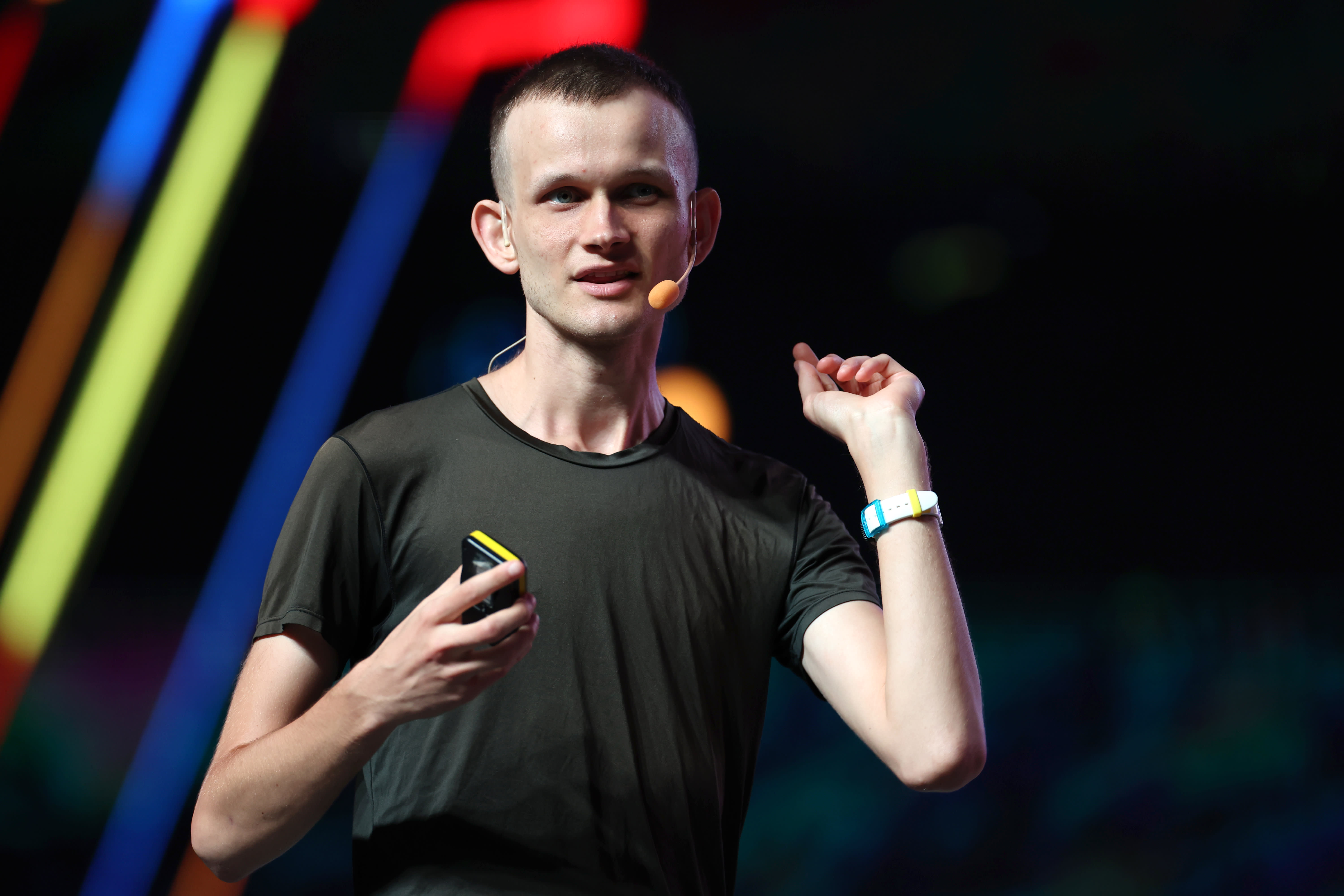

In a thought-provoking blog post dated September 30, Ethereum co-founder Vitalik Buterin has articulated his apprehensions regarding the influence of Decentralized Autonomous Organizations (DAOs) on the selection of node operators within liquidity staking pools. His concerns stem from the potential for DAOs to monopolize this critical decision-making process, thereby exposing these pools to vulnerabilities posed by malicious actors.
Buterin’s observations revolve around the staking protocol Lido (LDO), which serves as a prime example of a DAO-driven system that whitelists node operators. While acknowledging that protocols like Lido have integrated protective measures, Buterin underscores the potential shortcomings of relying solely on a single layer of defense. He argues that a more multi-faceted approach may be necessary to ensure the security and integrity of these staking pools.
On the flip side, Buterin sheds light on Rocket Pool’s innovative approach, which permits anyone to become a node operator by placing an 8 Ether (ETH) deposit, valued at approximately $13,406 at the time of writing. However, this open-entry model comes with its own set of risks, most notably the possibility of 51% attacks and the resultant burden on users. To address this vulnerability, Buterin advocates for a diverse ecosystem of liquid staking providers. This diversified landscape, according to him, reduces the likelihood of any single provider amassing excessive influence and posing systemic risks. Nevertheless, he tempers this suggestion with a warning against over-reliance on moralistic pressure, emphasizing the need for more robust, long-term solutions.
In the rapidly evolving world of cryptocurrency and blockchain technology, Vitalik Buterin’s insights remind us of the delicate balance between decentralization and security, offering valuable considerations for the future development of staking pools and DAO governance.
CEAN News | Join 24/7 News Telegram