
CEAN News | Business News

In the era of deepfakes and artificial intelligence (AI), the lines between reality and fabrication are becoming increasingly blurred. Addressing the ethical and legal ramifications of this, a bipartisan group of U.S. Senators has proposed the Nurture Originals, Foster Art, and Keep Entertainment Safe (NO FAKES) Act. This groundbreaking legislation aims to clamp down on unauthorized AI replicas of people’s voices and images, thereby safeguarding individual identity and artistic integrity.
The Senators Behind the Bill
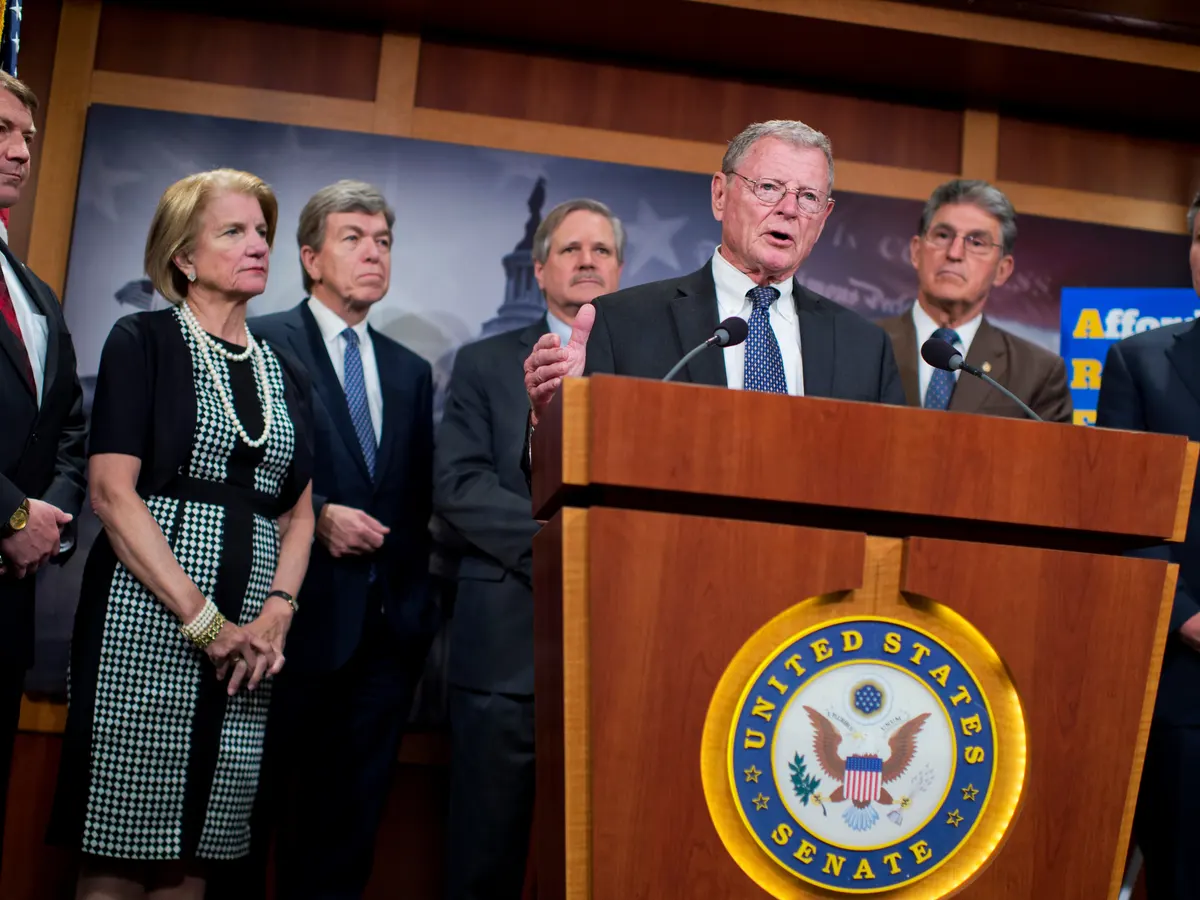
The NO FAKES Act is a bipartisan effort led by Democratic Senators Chris Coons and Amy Klobuchar, along with Republican Senators Marsha Blackburn and Thom Tillis. This collaborative approach highlights the urgency and importance of the issue, transcending party lines to protect citizens and the entertainment industry alike.
What the Bill Proposes
Under the proposed act, creating an unauthorized AI replica of someone, whether they are alive or deceased, would expose the responsible companies or individuals to legal liability. Moreover, platforms that knowingly host such unauthorized AI replicas would also be accountable. Penalties for violations would commence at $5,000 per instance.
First Amendment Protections
While the bill aims to restrict unauthorized AI replicas, it also acknowledges the importance of freedom of expression. The legislation makes allowances for uses protected under the First Amendment, such as news reporting, documentaries, and content created for “comment, criticism, scholarship, satire, or parody.”
The Entertainment Industry Weighs In
The Screen Actors Guild-American Federation of Television and Radio Artists (SAG-AFTRA), the labor union representing actors and other entertainment professionals, has expressed strong support for the NO FAKES Act. The union believes that the bill could serve as a critical tool in future contract negotiations and strikes, especially given the surge in AI-generated likenesses that have become a point of contention in Hollywood.
The AI Landscape
The push for this legislation comes at a time when AI-powered tools are increasingly being used to emulate artists, generating songs and likenesses that are virtually indistinguishable from the real thing. Hundreds of these creations are hosted on popular streaming platforms like YouTube and SoundCloud, further blurring the lines between original content and AI-generated replicas.
Concluding Thoughts
As we move further into the digital age, balancing technological advancements with ethical considerations will continue to be a challenge. The NO FAKES Act represents a significant step in establishing legal frameworks that protect individual and artistic identities. Whether or not the bill becomes law, its introduction has already sparked an important conversation about the responsible use of AI in society.