
CEAN News | Crypto News

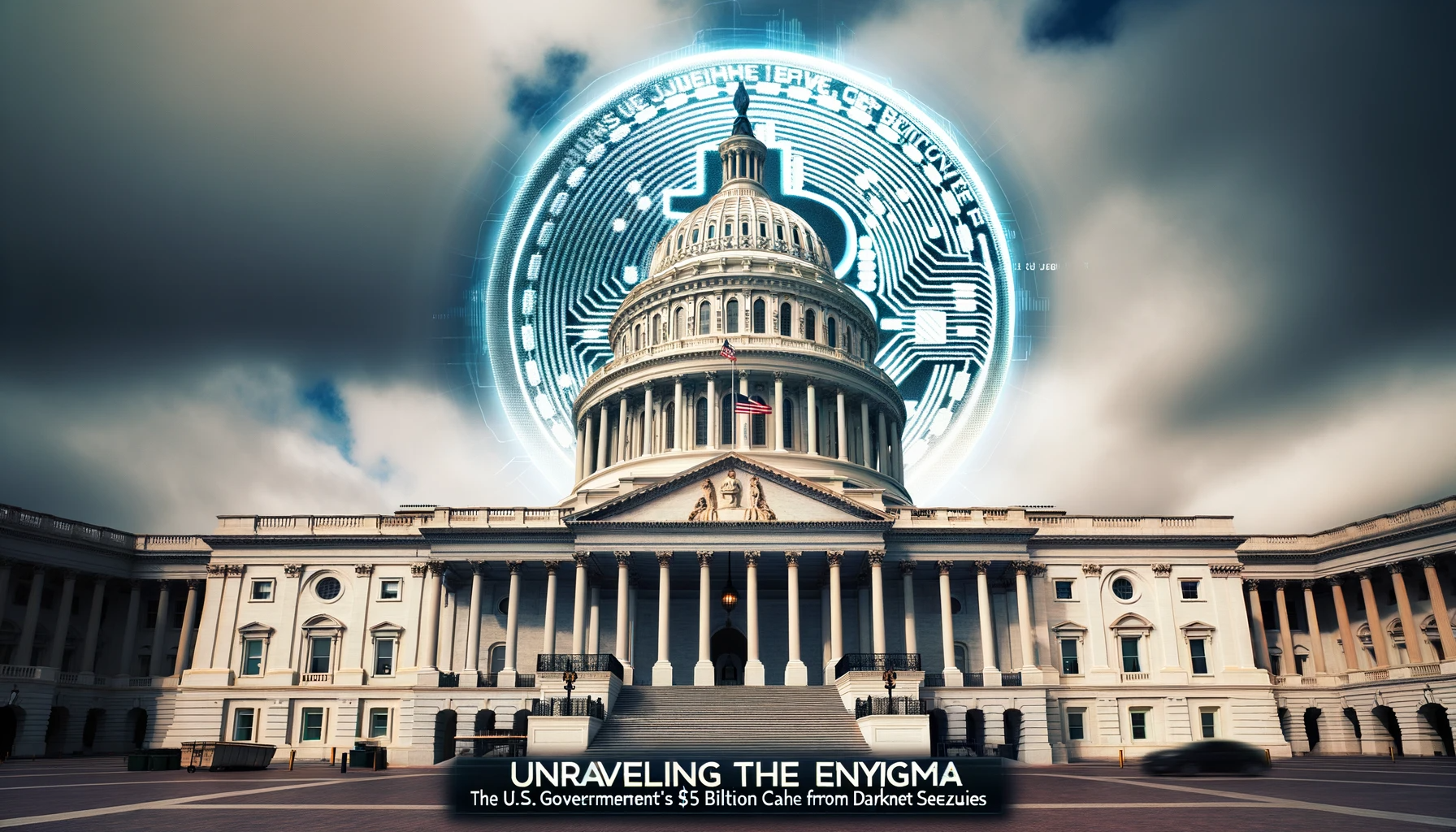
In an era where cryptocurrencies are at the heart of both innovation and controversy, a surprising player has emerged as one of the world’s largest holders of Bitcoin: the U.S. federal government. The government’s Bitcoin holdings, estimated to be worth around $5 billion, are primarily the result of seizures from darknet activities and cybercrime. This article delves into how these assets are managed, the legal procedures that govern them, and what this reveals about the government’s stance on cryptocurrencies.
The Genesis: Cracking Down on Darknet Operations
According to a recent report by the Wall Street Journal, the U.S. federal government currently possesses roughly 200,000 Bitcoin. These holdings are predominantly sourced from crackdowns on illicit activities, such as drug trafficking, cyber extortion, and darknet market operations. Unlike individual or institutional investors, the government’s acquisition of Bitcoin is not a strategic investment but a byproduct of law enforcement activities.
Custodianship: Where Do These Assets Go?
Upon seizure, these digital assets are stored in hardware wallets, far removed from online vulnerabilities. The IRS’s cyber and forensics services section plays a vital role in this process. Jarod Koopman, the executive director of the division, notes that the primary concern is to secure these assets effectively, without any intention to influence or profit from the digital currency market.
Navigating Legal Complexities
The government does not instantly become the rightful owner of these seized assets. Legal protocols require that a final forfeiture order must be granted by a court. This often elongates the process, adding bureaucratic hurdles and necessitating exhaustive due diligence. Only then can the government officially lay claim to these holdings.
Liquidation: A Slow and Deliberate Process
Once ownership is established, the U.S. Marshals Service is responsible for the liquidation of these digital assets. Historically, this has been a slow process, sometimes taking years to come to fruition. However, as the cryptocurrency market has matured, so too have the government’s methods for handling it. Since January 2021, the Marshals Service has started to liquidate portions of the seized Bitcoin on crypto exchanges, albeit at a cautious pace.
Not in it for the Profit
Unlike other major Bitcoin holders, the U.S. government’s primary aim is not to achieve maximal profit from these assets. This is reflected in its cautious and legally bound approach to handling them. It is a position that underscores the government’s role as a regulatory authority, prioritizing law enforcement over market speculation.
Conclusion
The U.S. government’s Bitcoin holdings offer a fascinating glimpse into the intersection of law, technology, and economics. They also raise questions about how governments worldwide will engage with cryptocurrencies in the future. For now, what is clear is that the U.S. federal government is not just a spectator in the crypto market but an inadvertent yet significant participant, albeit with a unique set of rules and priorities.
CEAN News | Join 24/7 News Telegram