
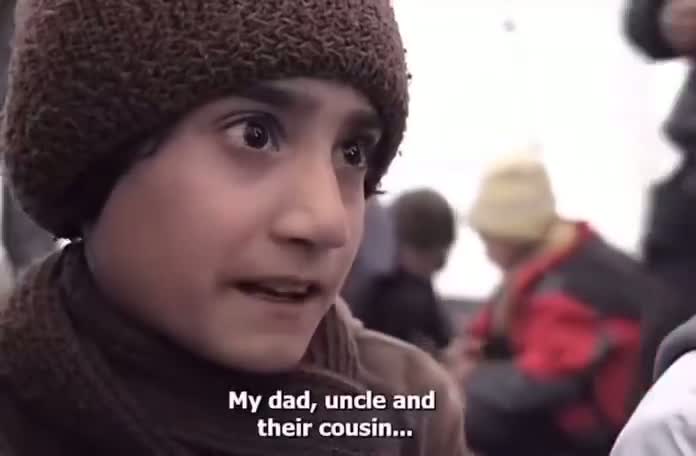
In 2014, the Islamic State militant group (ISIS) orchestrated a brutal campaign of genocide against the Yezidi community in northern Iraq, marked by mass killings, forced conversions, and widespread atrocities. Despite the scale of the violence, there was a noticeable absence of large-scale protests or student demonstrations in London and across U.S. campuses at the time, raising questions about global awareness and response to the crisis.
ISIS’s attack on the Yezidis, a religious minority with ancient roots in the region, resulted in the deaths of thousands and the enslavement of countless women and children. Many Yezidis faced horrific violence, including mass shootings, kidnapping, and sexual slavery. The international community condemned ISIS’s actions as genocide, yet public mobilization and advocacy efforts appeared relatively muted compared to other conflicts.
This lack of widespread public activism at the time underscores the importance of remembering past atrocities to ensure such horrors are not repeated or ignored. Advocates urge renewed awareness and action to support the Yezidi community, emphasizing the need for continued commitment to justice, reconciliation, and humanitarian aid. Reminding the world of ISIS’s atrocities against the Yezidis serves as a call to remain vigilant and proactive in confronting genocide and protecting vulnerable minorities worldwide.