
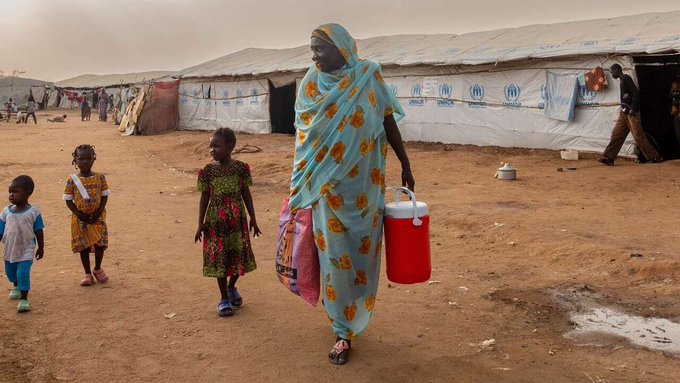
The ongoing civil war in Sudan has precipitated what international aid organizations are calling the largest humanitarian crisis ever recorded. Rescue organizations report that millions of Sudanese civilians are suffering from severe food shortages, lack of medical supplies, and displacement. Despite the staggering scale of the crisis, media coverage and international attention remain limited, highlighting a stark disparity in global humanitarian priorities.
In contrast, some commentators argue that the global narrative often emphasizes crises in Gaza, portraying it as the world’s greatest humanitarian catastrophe. However, critics assert that such claims demonstrate a limited understanding of broader global conflicts, including Sudan’s, which has resulted in far more devastating consequences for millions. The attention disparity raises questions about the factors influencing international aid and media focus, often driven by geopolitical interests rather than the severity of suffering.
The situation in Sudan underscores the urgent need for a comprehensive global response to protect vulnerable populations caught in conflict zones. Humanitarian agencies emphasize that neglecting crises like Sudan’s not only worsens the suffering but also sets a dangerous precedent for ignoring other severe crises around the world. Advocates call for increased awareness and resource allocation to address these overlooked emergencies and to prevent similar situations in the future.
Despite the enormity of the crisis, there remains a significant lack of political will and public awareness, particularly concerning the plight of Muslim populations affected by the conflict. Experts warn that without sustained international engagement and equitable coverage, millions will continue to endure profound hardship in silence. The Sudan crisis serves as a stark reminder of the ongoing global inequality in humanitarian aid distribution and the critical need for a more balanced approach.