
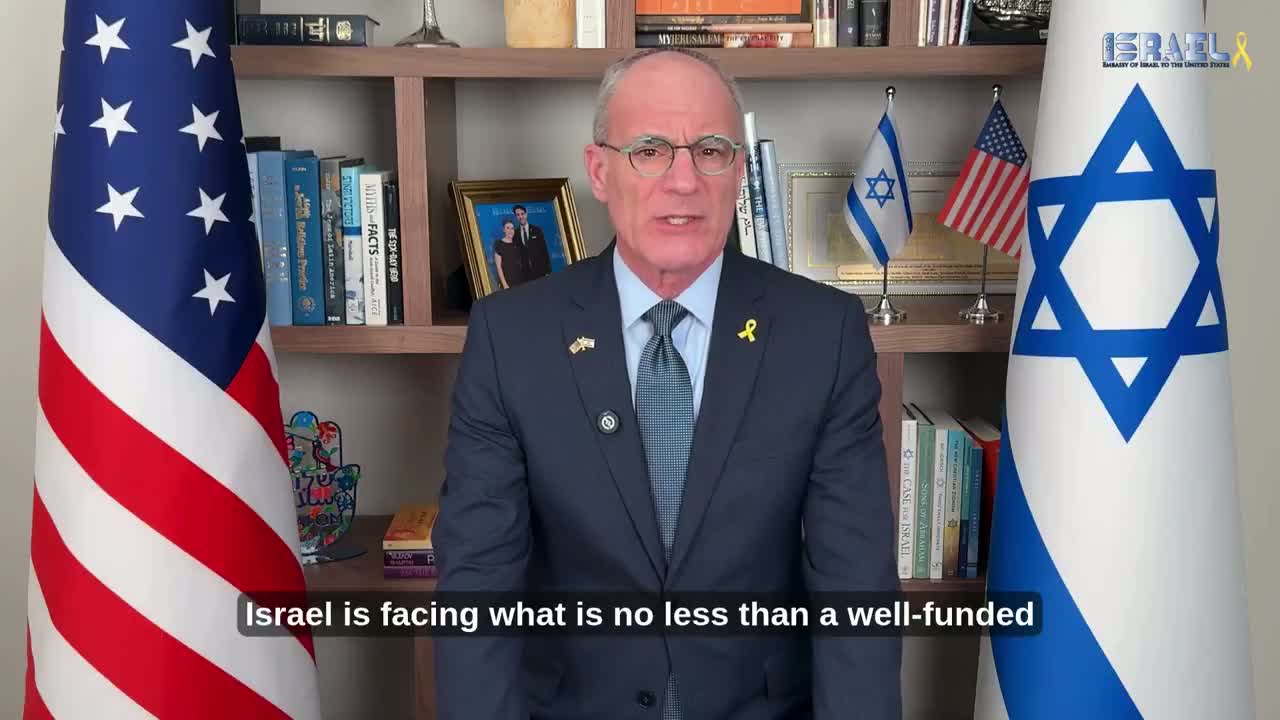
Israel’s Ambassador to the United States, Yechiel Leiter, has sharply criticized The New York Times for what he describes as spreading a falsehood about Israel. In a recent statement, Leiter accused the prominent newspaper of disseminating a lie that reached a global audience, damaging Israel’s reputation internationally. He expressed strong disappointment over the publication’s handling of the correction, claiming it was only a partial and weak acknowledgment that failed to adequately address the issue.
Leiter’s comments come amid ongoing tensions over coverage of Israel in Western media. He argued that The New York Times’ initial reporting was misleading and that the subsequent correction was insufficient, effectively undermining efforts to clarify the facts. According to him, the newspaper’s response only reached a tiny fraction of its followers, leaving many uninformed or misinformed about the true circumstances.
The ambassador’s critique highlights broader concerns within the Israeli government regarding perceived biases and inaccuracies in international media reporting. Israeli officials have increasingly expressed frustration over what they see as one-sided or inaccurate portrayals, especially concerning sensitive issues. Leiter’s remarks suggest a call for more responsible journalism and accountability from major news outlets.
The New York Times has yet to issue an official response to Leiter’s statements. However, this exchange underscores the ongoing debate over media fairness and the responsibilities of news organizations when reporting on complex geopolitical issues. As tensions persist, both sides are likely to continue engaging in public discourse over the accuracy and fairness of coverage related to Israel.