
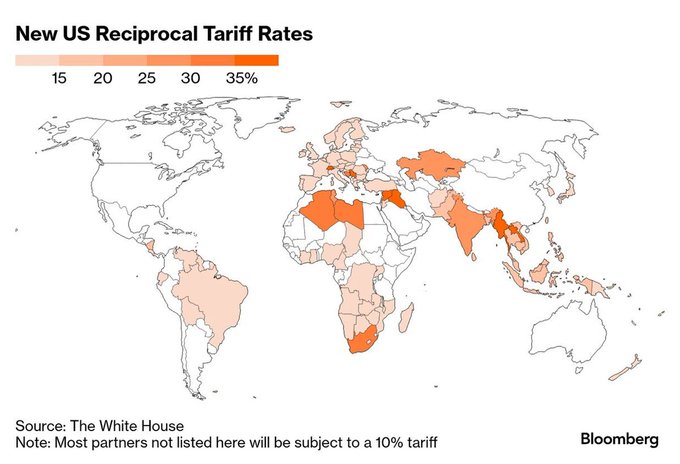
Global trade is entering a transformative phase, as nations increasingly leverage economic power outside the traditional framework of the World Trade Organization (WTO). Experts suggest that the longstanding rules instituted three decades ago are being overshadowed by strategic use of economic influence, including tariffs, sanctions, and trade alliances. This shift reflects a move toward bilateral and regional agreements that often prioritize national interests over multilateral consensus.
Analysts warn that this evolving landscape could undermine the predictability and stability that WTO rules were designed to ensure. As countries wield economic leverage to achieve diplomatic objectives, the risk of trade disputes escalating without clear adjudication mechanisms grows. Some economies are also resorting to export controls and targeted sanctions, further complicating the global trade environment.
Despite these developments, proponents argue that this new era allows countries to better protect critical industries and respond swiftly to geopolitical challenges. However, critics caution that such trends could fragment global supply chains and hinder cooperation on issues like climate change and sustainable development. As the world navigates this uncharted territory, the future of international commerce hinges on balancing strategic interests with the foundational principles of fair and open trade.