
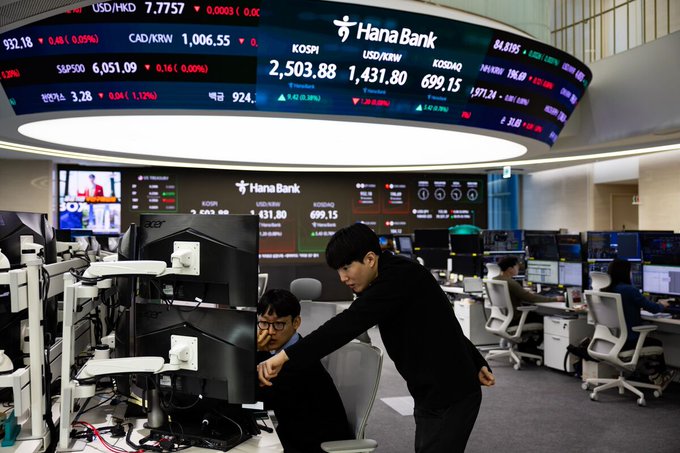
South Korea’s recent announcement to increase taxes on corporations and investors has triggered a sharp downturn in the nation’s stock market, one of the world’s most dynamic trading environments. The government defended the move as a effort to bolster fiscal revenue and promote economic equity, but investors and business leaders have responded with concern, signaling unease about the plan’s potential economic impact.
The tax hike, which targets major companies and high-income investors, led to a dramatic sell-off across key indices, wiping out gains accumulated over recent months. Market analysts warn that such policy shifts could deter foreign investment and hinder growth prospects, especially at a crucial juncture as South Korea seeks to stabilize its economy amidst global uncertainties.
Political reactions are intensifying, with opposition parties criticizing the move as detrimental to business vitality. President Lee Jae Myung’s administration now faces mounting discontent from the corporate sector and a wary investor community, raising doubts about its ability to implement its domestic reform agenda effectively. As protests and debates grow, the government may need to reconsider or modify its tax policy to quell backlash and restore market confidence.