
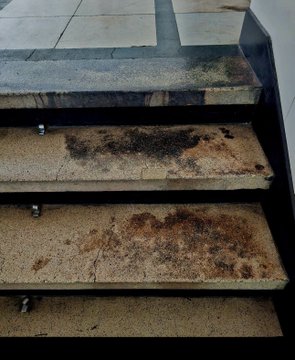
Today marks the 80th anniversary of the Warsaw Uprising, a pivotal event in Poland’s history that began in 1944. The courageous insurgency aimed to liberate Warsaw from occupying German forces, but it resulted in immense tragedy, with an estimated 250,000 Poles losing their lives during the brutal conflict and subsequent suppression.
Decades later, the scars of that tumultuous period remain visible in the city. Bloodstains from the uprising can still be seen in the hallways of several surviving apartment buildings, a haunting reminder of the fierce fighting and human toll endured. These traces seeped into the porous marble floors, leaving lasting marks that serve as silent witnesses to wartime suffering.
Historians and residents continue to reflect on the uprising’s significance, recognizing its importance in Polish national identity and resistance. Preservation of these physical remnants underscores the profound impact of history on the city’s landscape and collective memory. As Warsaw commemorates this milestone, the enduring bloodstains stand as a poignant symbol of resilience and remembrance.