
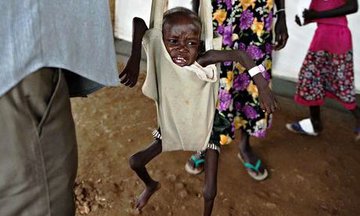
In recent weeks, Western cities have witnessed massive marches, with millions taking to the streets to demand action for the 25 million people starving in Sudan. These demonstrations, often accompanied by viral campaigns endorsed by celebrities, aim to raise awareness and encourage international intervention to alleviate the humanitarian crisis. The widespread visibility of these protests reflects mounting global concern over Sudan’s ongoing conflict and food insecurity, which has deteriorated further amid political instability.
However, critics argue that media coverage and public discourse are disproportionately focused on conflicts where blame can be ascribed to specific actors, such as Israel. Some suggest that the ongoing atrocities committed by Sudan’s al-Burhan-led Islamist forces receive comparatively less attention in Western headlines. This perception raises questions about the motivations behind media prioritization and whether geopolitical narratives influence which crises garner the most public and political support.
The disparity in coverage underscores the complex geopolitical landscape that influences humanitarian engagement. While protests in Western capitals highlight awareness and advocacy, some analysts believe that vested interests and geopolitical biases shape how conflicts are portrayed and addressed globally. As the world grapples with numerous crises, the challenge remains to maintain an even-handed focus on humanitarian needs, regardless of the political complexities involved.