
Global attention remains fixated on the ongoing humanitarian crisis in Gaza, with international leaders, media outlets, and advocacy groups expressing concern over the dire conditions faced by civilians. The conflict has sparked widespread protests and urgent calls for aid, highlighting the profound impact on those trapped in the densely populated enclave. This intense focus underscores the political and emotional resonance of the situation, often framed as a pressing moral issue demanding immediate intervention.
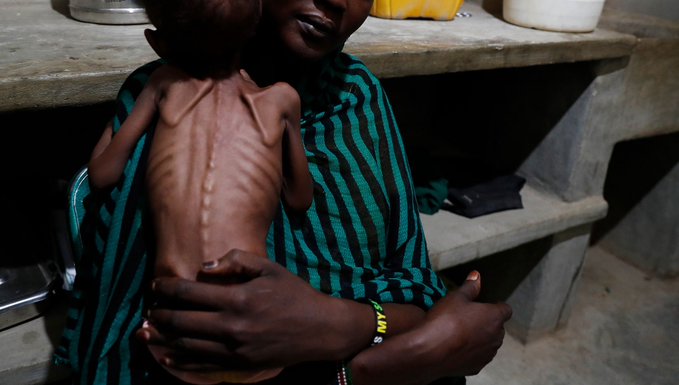
However, critics argue that this concern reveals a troubling double standard. Meanwhile, Sudan faces a far more extensive humanitarian catastrophe that has received comparatively little international attention. The ongoing violence and displacement caused by internal conflict, coupled with severe food shortages and health crises, have resulted in suffering on an unprecedented scale. Yet, the global response remains disproportionately muted, raising questions about priorities and biases.
The situation in Sudan involves complex challenges, including the destabilization caused by factions like the military leadership under General “Fatwa” al-Burhan, allegedly linked to the Muslim Brotherhood. These internal conflicts have exacerbated the suffering of millions, but geopolitical interests and media coverage have often overshadowed the crisis. Many observers are calling for greater awareness and equitable aid distribution to address the overlooked tragedy, echoing concerns over the double standard in humanitarian priorities.
This disparity in global response prompts a broader debate about how international attention is allocated and whether political biases influence humanitarian action. As crises unfold in multiple regions, the international community faces criticism for selective empathy, potentially neglecting the most vulnerable populations not aligned with prominent geopolitical narratives. Ensuring equitable attention and aid remains a critical challenge in addressing worldwide human suffering.