
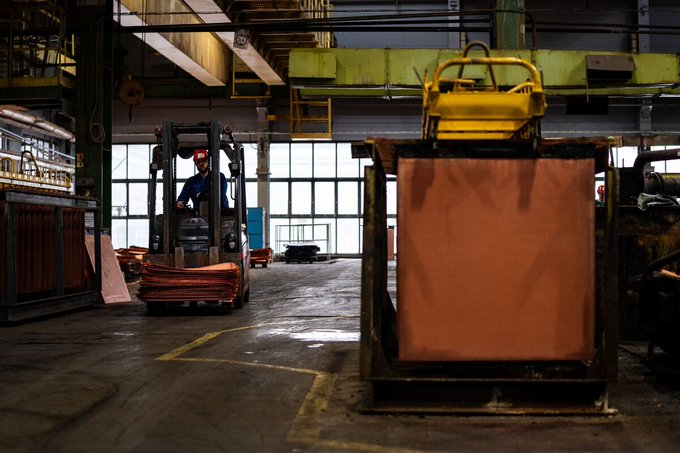
The United States has announced the imposition of its first wave of copper tariffs, targeting imports valued at over $15 billion from the previous year. This move marks a significant shift in trade policy and aims to bolster domestic copper production amid ongoing concerns about supply chain dependencies and national economic security.
The tariffs, implemented under the administration of President Donald Trump, are expected to increase costs for American manufacturers reliant on imported copper. Industries spanning construction, electronics, and automotive sectors may face higher input prices, potentially leading to broader inflationary pressures within the economy. Experts warn that these additional costs could be passed along to consumers, impacting prices across a range of goods.
Trade analysts note that the tariff’s introduction could trigger supply chain disruptions and strain relationships with trading partners, possibly provoking retaliatory measures. While the administration argues that protecting domestic resources will stimulate economic growth and job creation, critics express concern over the long-term effects on American manufacturing competitiveness amid rising production expenses.
As the tariffs take effect, market stakeholders will closely monitor their influence on copper prices, supply chain stability, and overall inflation trends. The move underscores the ongoing debate over balancing domestic industrial support with free trade principles, positioning copper tariffs as a potential pivot point in broader economic policy discussions.