
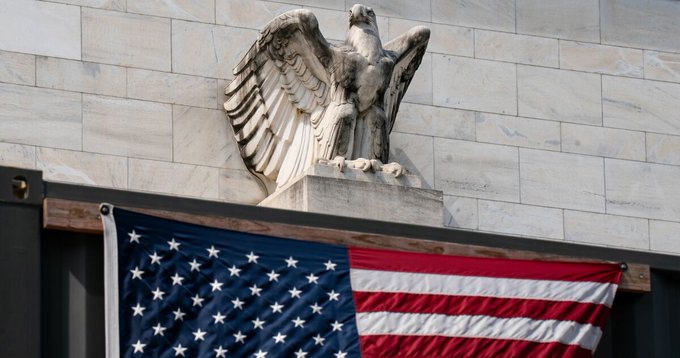
President Donald Trump’s persistent advocacy for substantial interest rate cuts has renewed scrutiny on the mechanisms behind monetary policy decisions and the key figures involved. Trump’s repeated public comments encouraging the Federal Reserve to lower borrowing costs have sparked debate about the independence of the central bank and the potential political influence on its policies.
Financial markets have responded to these calls with increased volatility, as investors weigh the impact of potential rate adjustments. Critics argue that undue political pressure on the Fed could compromise its objective to maintain stable inflation and employment, raising concerns about the long-term health of the economy. Conversely, supporters contend that presidential engagement underscores the urgency of economic reform and that the Fed should be more responsive to presidential preferences.
This heightened attention on monetary policy decision-making is also prompting discussions about the roles and responsibilities of Federal Reserve officials. Federal Reserve Chair Jerome Powell and other policymakers are now under greater public scrutiny, with some questioning whether the central bank can remain independent in the face of political pressure. As debate continues, the coming weeks are likely to clarify whether the Fed will heed the calls for lower interest rates or adhere to its data-driven approach.
Ultimately, President Trump’s vocal stance has amplified the spotlight on how monetary policy is shaped and the influence wielded by individuals behind the scenes at the Federal Reserve. The unfolding situation serves as a reminder of the complex balance between economic stability and political interests in American monetary policymaking.