
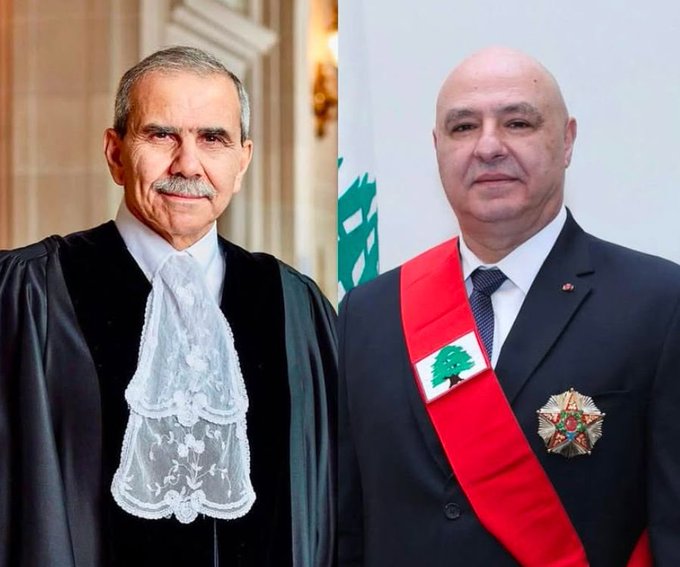
Lebanese Prime Minister Nawaf Salam and President Joseph Aoun’s cabinet has approved a landmark U.S. proposal aimed at disarming all non-state actors within Lebanon, including the powerful Hezbollah. The decision marks a significant shift in Lebanon’s approach to its complex internal security situation and regional diplomacy, with U.S. officials pushing for the disarmament of armed groups to stabilize the country’s volatile political environment.
However, the move has sparked immediate protests from Hezbollah members within the cabinet. In protest against the decision, all Hezbollah representatives withdrew from the meeting, signaling their firm opposition to the disarmament directive. The group has since organized large-scale demonstrations across the country, rallying supporters against what they describe as foreign interference and threats to Lebanon’s sovereignty.
The decision comes amid ongoing tensions in Lebanon, where Hezbollah wields substantial military and political influence. Critics of the move argue that disarming Hezbollah could undermine Lebanon’s security balance, while supporters view it as a necessary step toward state sovereignty and regional stability. The coming weeks are expected to see increased political negotiations and widespread protests as Lebanon grapples with the implications of this new policy.