
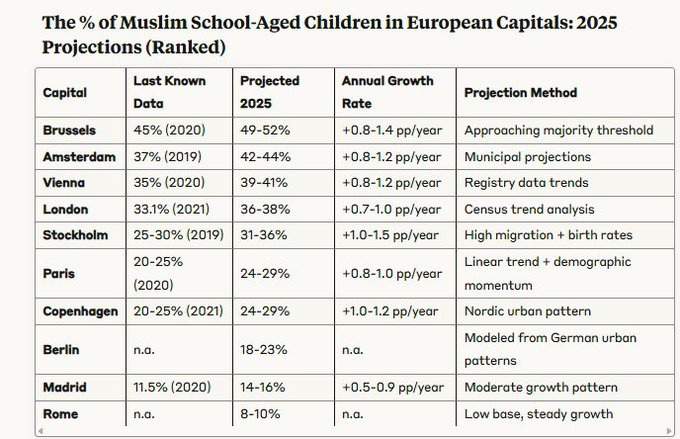
Europe is experiencing a significant demographic shift that is gaining momentum, according to recent analyses. Various factors, including declining birth rates and aging populations, are contributing to this rapid change across the continent. Experts warn that these trends could have far-reaching implications for economic growth, social services, and migration policies.
Many countries in Europe are facing a shrinking workforce as populations age and fewer young people are born. This demographic trend is prompting governments to reconsider policies related to immigration, family support, and retirement. Some nations are actively seeking to attract immigrants to offset workforce shortages, while others are implementing measures to encourage higher birth rates.
The accelerated pace of demographic change is also affecting urban and rural areas differently. Urban centers often see more inflows of migrants, while rural regions are experiencing population declines. Socioeconomic disparities linked to these shifts are raising concerns about regional development and social cohesion across the continent.
Authorities and analysts emphasize the importance of strategic planning to address these demographic challenges. With the trend showing no signs of reversing, European nations are exploring a range of policy options to adapt to the evolving population landscape and ensure sustainable growth in the coming decades.