
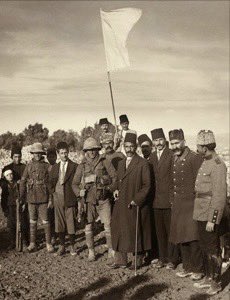
The absence of an independent Palestinian state is rooted in the region’s complex history of external control and influence. Over the centuries, various powers—including the Ottoman Empire, Egypt, and Jordan—exercised authority over the territory, but none established it as a sovereign or autonomous entity. Instead, the land was often governed as part of larger imperial or regional frameworks, without a dedicated Palestinian statehood.
Throughout the 20th century, international efforts to create a Palestinian state have faced numerous political, territorial, and diplomatic challenges. The lack of a clear, independent political entity has contributed to ongoing tensions and conflicts in the region, with the question of Palestinian sovereignty remaining a focal point in broader Middle Eastern affairs.
This historical context highlights the complexities involved in establishing Palestinian independence. External controls and competing claims have shaped the trajectory of Palestinian aspirations for statehood, complicating efforts for peace and recognition. The legacy of these historical patterns continues to influence current negotiations and regional stability.
Ultimately, understanding the history of external influence helps clarify why a Palestinian state has yet to be realized. The region’s past demonstrates the significant barriers stemming from centuries of external governance and the absence of a unified, independent Palestinian political authority.