
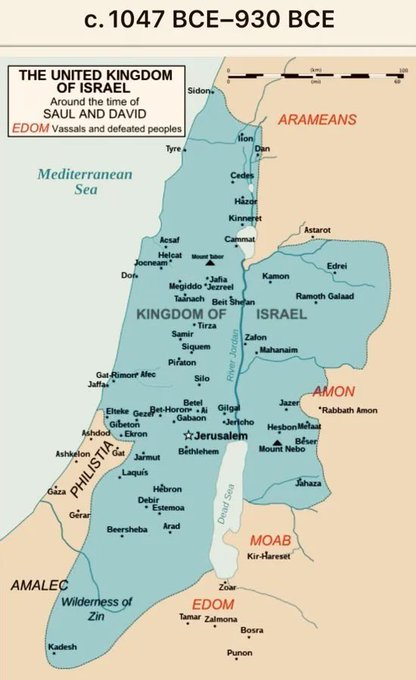
Historically, the territories of Gaza and the West Bank have not been part of an independent Palestinian state. Over the centuries, these regions have experienced a variety of governing powers, reflecting the complex history of the broader Middle East region.
In recent history, control of these areas has shifted among several nations. During the late Ottoman Empire period, both Gaza and the West Bank fell under Ottoman rule until the empire’s dissolution after World War I. Following the collapse of the Ottomans, Egypt administered Gaza, while the West Bank was controlled by the Hashemite Kingdom of Jordan after the 1948 Arab-Israeli war. In 1967, Israel took control of both regions during the Six-Day War, a status that remains a significant aspect of ongoing geopolitical discussions.
Throughout the 20th and 21st centuries, the governance and sovereignty of Gaza and the West Bank have been central issues in the Israeli-Palestinian conflict. Despite various diplomatic efforts, neither area has officially been recognized as an independent Palestinian state, and their political statuses continue to be subject to international debate and negotiation.
This historical context underscores the complex and layered history of control over Gaza and the West Bank, which remains a focal point in regional and global discussions about peace and sovereignty in the Middle East.