
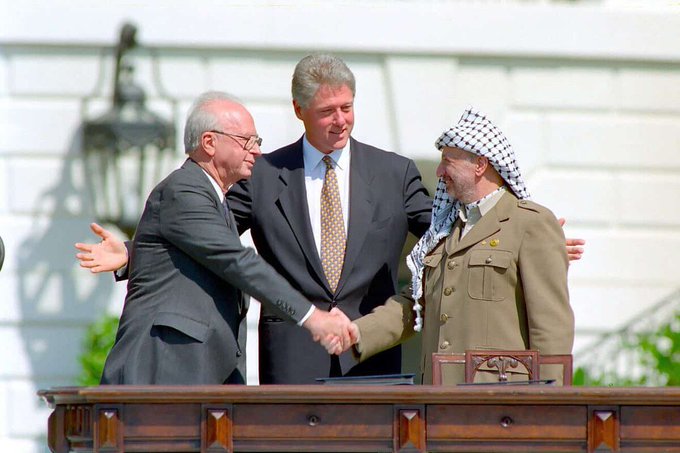
The Oslo Accords, signed in 1993, marked a significant step in the Israeli-Palestinian peace process. The agreements led to the creation of the Palestinian Authority, which was granted limited self-governance over certain areas of Gaza and the West Bank. The accords aimed to lay the groundwork for a two-state solution and improve relations between Israelis and Palestinians.
In the year 2000, then-U.S. President Bill Clinton offered a renewed opportunity for Palestinian statehood, presenting proposals that could have paved the way for an independent Palestinian state. Despite the efforts and negotiations, Palestinian leader Yasser Arafat declined to accept the proposed arrangements, citing concerns over sovereignty and security issues.
These developments highlight the ongoing complexity of the Israeli-Palestinian conflict, with diplomatic efforts repeatedly meeting obstacles. The decisions made during this period continue to influence the trajectory of peace negotiations and regional stability.
The situation remains a point of contention, with differing perspectives on whether alternative negotiations or new approaches could advance peace between the two sides. The historical decisions made in the 1990s and early 2000s continue to shape discussions about Palestinian statehood today.