
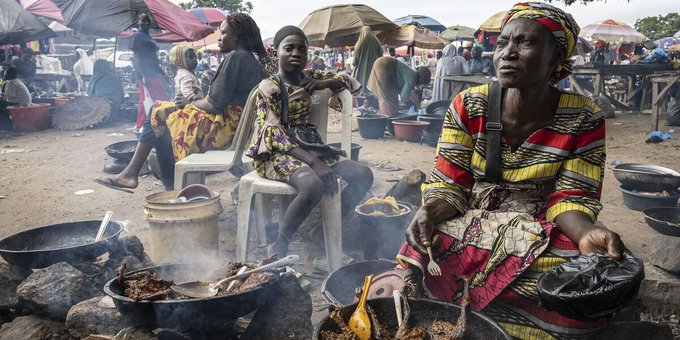
Urban residents in Nigeria are increasingly turning to bushmeat as a dietary option, despite the customary associations with rural or traditional lifestyles. This shift is driven by factors such as urbanization, greater access to markets, and a desire for diverse culinary experiences. Bushmeat in Nigeria includes a wide range of wild animals, from small rodents and bats to larger species like elephants.
The rising consumption of bushmeat poses significant health risks, experts warn, including the potential transmission of zoonotic diseases—illnesses that spread from animals to humans. Past outbreaks, such as Ebola and other viral infections, have been linked to interactions with wild animals, highlighting the dangers of unregulated wildlife consumption. Additionally, the hunting and trade of bushmeat can threaten biodiversity and disrupt local ecosystems.
Public health officials and conservation advocates are calling for increased awareness and regulation to address the problem. They emphasize the importance of monitoring wildlife trade and promoting safer, sustainable dietary choices. As urban Nigeria’s appetite for bushmeat grows, balancing cultural practices with health and environmental concerns remains a critical challenge for authorities and communities alike.