
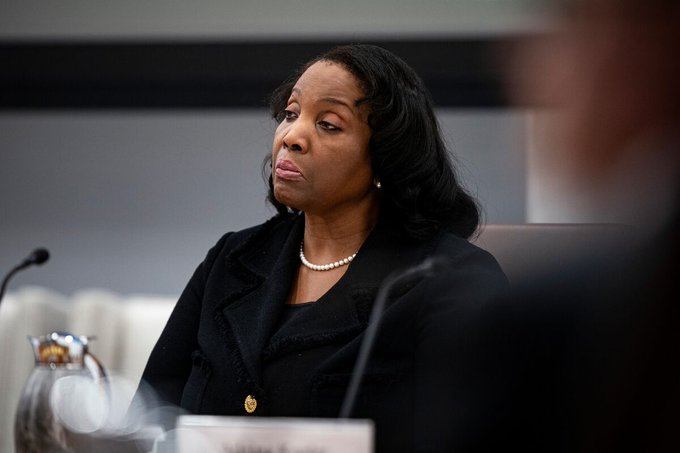
The U.S. dollar experienced a decline against major global currencies following recent political developments involving the Federal Reserve. President Donald Trump announced efforts to remove Federal Reserve Governor Lisa Cook from her position, a move that raised concerns among investors and analysts. The news led to a broad weakening of the dollar, impacting its performance relative to other leading currencies.
Market participants viewed the development as a potential source of uncertainty for U.S. monetary policy and the Federal Reserve’s independence. The dollar’s decline was observed across multiple currency pairs, reflecting a cautious tone among traders. Experts suggest that political interference in central bank appointments can influence perceptions of the U.S. economy’s stability and policy direction.
The diplomatic and financial markets remain attentive to the implications of this political move, which has sparked discussions on the future of monetary policy and the Fed’s autonomy. While some analysts see the dollar’s dip as a short-term reaction, others warn that sustained market confidence could be affected if political interventions continue to impact central bank decisions. Market watchers are closely monitoring the situation for further developments that may influence global financial stability.