
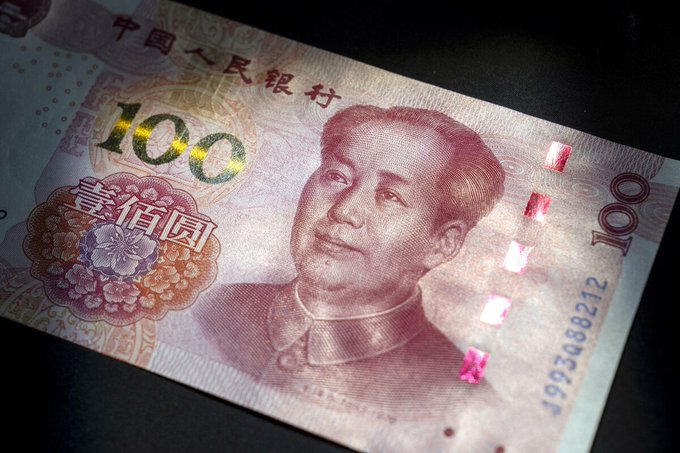
Singapore’s United Overseas Bank (UOB) is facing operational challenges due to the limited offshore supply of the Chinese yuan, which has become increasingly used in regional trade and payments. As more economies in Asia and beyond adopt the yuan for transactions, the availability of the currency outside mainland China remains constrained.
The scarcity of offshore yuan is complicating processes for banks like UOB that facilitate cross-border trade and financial dealings involving China. This limited supply can lead to difficulties in currency management, higher transaction costs, and increased market volatility, potentially impacting the bank’s operational efficiency and customer services.
Market analysts suggest that the situation reflects broader challenges in the internationalization of the yuan, as China continues to promote its use in global trade. Despite efforts to expand offshore trading hubs, regulatory and liquidity constraints persist, influencing regional financial institutions’ ability to effectively handle yuan transactions.
UOB and other regional banks are closely monitoring the developments, exploring new strategies to mitigate the effects of limited offshore yuan liquidity. As the currency’s role in international finance grows, addressing these supply constraints will be crucial for ensuring smooth cross-border transactions in the region.