
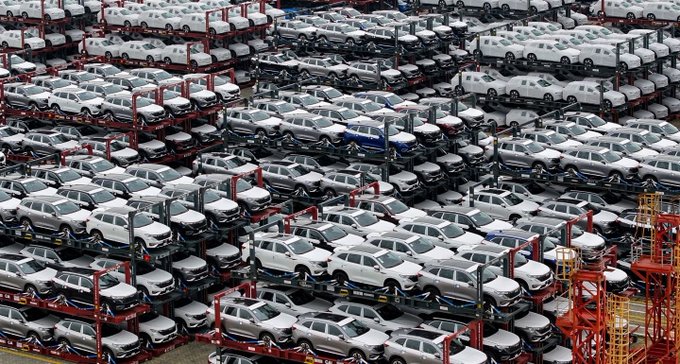
China has successfully established a dominant presence in the electric vehicle (EV) market across Central Asia, outpacing many Western nations in adoption and distribution. While Western countries have responded with tariffs and trade barriers aimed at limiting Chinese EV imports, Central Asian nations have taken a different approach, actively encouraging the deployment of Chinese electric vehicles within their markets.
In Tajikistan, the transition to electric transportation is particularly evident. Reports indicate that in the capital, Dushanbe, all taxi services have converted to electric vehicles, marking a significant shift toward sustainable mobility. Local authorities have created favorable conditions, including potential incentives and infrastructure development, to support the integration of Chinese EVs into daily transportation.
This regional trend highlights differing international trade responses, with Central Asian countries embracing Chinese EVs as a means to modernize their transportation systems and reduce reliance on traditional fuel sources. The expansion of Chinese electric cars in the region reflects broader geopolitical and economic shifts, positioning China as a key player in Central Asia’s evolving automotive landscape.