
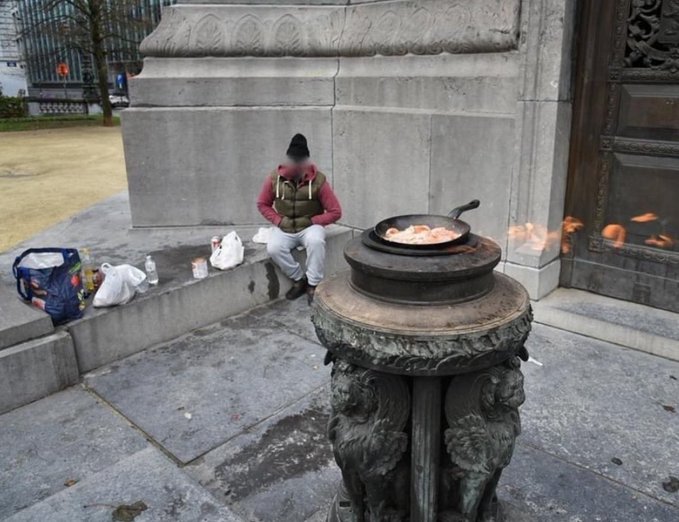
A recent statement has garnered attention, claiming that 40,000 Belgian soldiers lost their lives defending their country, and suggesting that migrants over time have been allowed to settle on or near their graves. The remark appears to highlight tensions surrounding immigration and national history, but lacks specific contextual details.
Belgium’s military history includes significant conflicts, notably during World War I and World War II, where thousands of soldiers sacrificed their lives. The figure of 40,000 casualties encompasses the broader scope of Belgium’s wartime sacrifices over many years. However, the claim linking these deaths specifically to contemporary migration or implying that migrants are desecrating military graves is controversial and unsubstantiated in official records.
Discussions surrounding immigration, national identity, and historical remembrance are ongoing in Belgium and Europe at large. While debates often focus on integration and cultural changes, claims suggesting direct disrespect to military graves or attribution of specific motivations to migrants should be approached critically, pending verified evidence. Experts emphasize the importance of distinguishing between historical facts and politically charged narratives that can sometimes distort public understanding.
As conversations around history and immigration continue, it remains vital for media and policymakers to rely on verified sources and nuanced analysis. The integration of diverse communities and respect for historical sacrifices are complex issues that require careful consideration beyond provocative statements.