
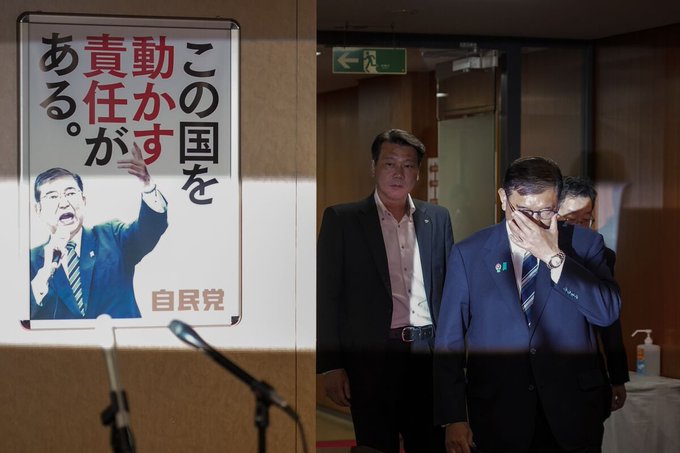
Japan’s ruling party is preparing to release a report analyzing its significant losses in the July upper house election. The report aims to shed light on the factors that contributed to the party’s diminished mandate, which resulted in the loss of numerous seats. This move signals the party’s attempt to understand and address the challenges it faces ahead of future electoral battles.
The election outcome has prompted internal discussions within the ruling party and raised questions about the stability of Prime Minister Shigeru Ishiba’s leadership. While it remains unclear how the report’s findings will influence his tenure, analysts suggest that the findings may determine how much longer Ishiba can maintain his position as leader of the government.
Political observers note that the ruling party’s performance in the July election highlights broader issues within Japan’s political landscape, including voter sentiment and policy priorities. The upcoming report is expected to include recommendations for party reforms and strategies to regain public trust. As the party prepares to release its findings, attention remains focused on the potential political ripple effects and what they might mean for Japan’s future leadership.