
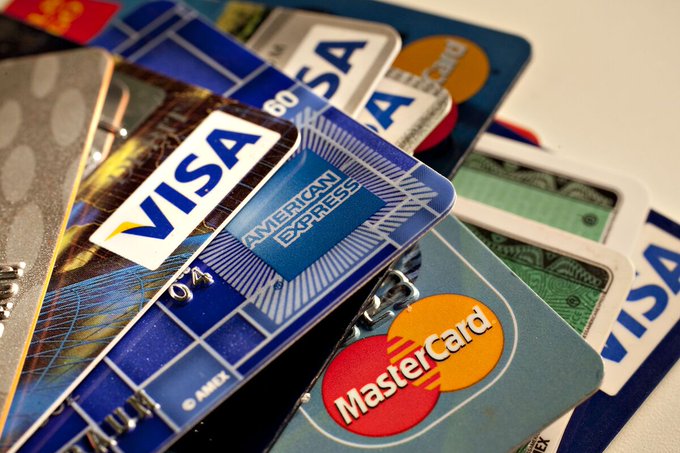
A recent opinion piece by @PaulJDavies suggests that stablecoins may pose a greater threat to U.S. credit cards than to traditional bank accounts or money market funds. The argument centers on the growing adoption of stablecoins as a digital payment method, which could potentially disrupt conventional credit card usage.
According to Davies, stablecoins offer certain advantages, such as faster transactions and lower fees, making them an increasingly appealing option for consumers and merchants. This trend, he notes, could lead to reduced reliance on credit card networks, impacting fees collected by financial institutions and payment processors.
However, the analysis indicates that stablecoins are less likely to threaten traditional bank accounts or money market funds in the short term. These financial products remain well-established, heavily regulated, and integrated into the broader banking infrastructure, providing stability that stablecoins currently lack.
Overall, the commentary underscores the potential for digital currencies to reshape aspects of the payments landscape, with stablecoins especially poised to influence how consumers and businesses conduct transactions in the future. Nevertheless, experts caution that regulatory developments and technological challenges could influence the pace and extent of this disruptive potential.