
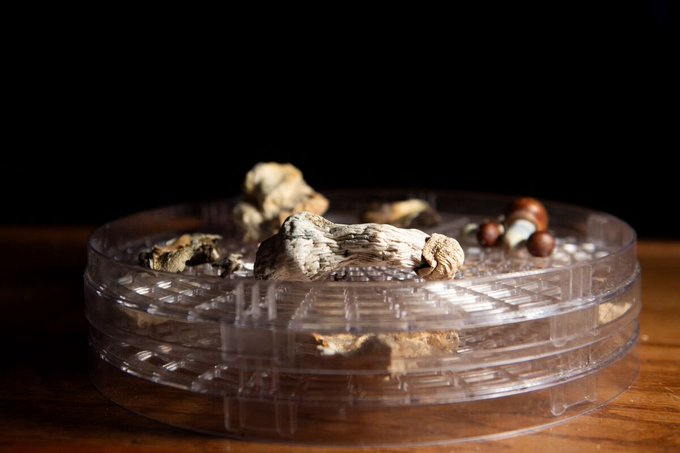
A physician specializing in mental health has advocated for the therapeutic use of psilocybin to treat patients facing terminal illnesses. The doctor emphasizes that the psychedelic compound may help alleviate psychological distress associated with end-of-life conditions, providing patients with greater emotional comfort and a better quality of life during their remaining time.
Currently, psilocybin remains a Schedule I substance under U.S. federal law, meaning it is classified as having a high potential for abuse and no accepted medical use. However, recent efforts by some medical professionals and researchers have called for reconsideration of this classification, citing emerging evidence of its potential benefits in palliative care settings.
The doctor has publicly urged the U.S. government to permit controlled research and therapeutic application of psilocybin for terminal patients. Advocacy groups and researchers argue that under proper supervision, psilocybin could represent a significant advancement in mental health support for those facing end-of-life challenges. Meanwhile, policymakers continue to debate the legal and regulatory frameworks necessary to enable such medical use of psychedelic substances.