
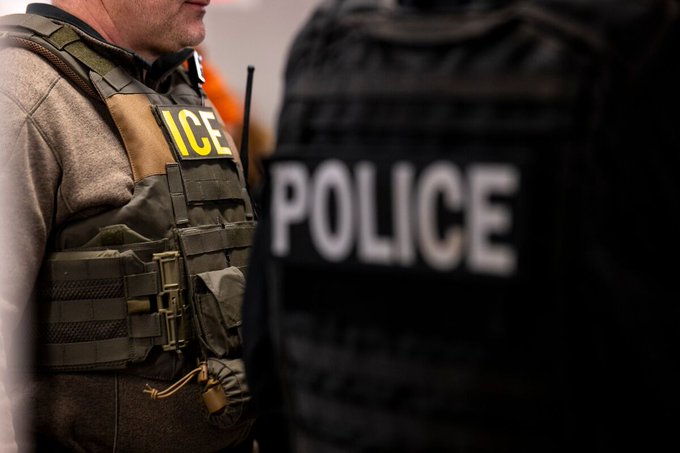
The Trump administration has announced a new initiative to provide quarterly bonuses of up to $1,000 to state and local police officers who meet specified immigration arrest targets. The move is part of broader efforts to expand immigration enforcement and crack down on undocumented individuals, emphasizing collaboration between federal and local authorities.
Under the new program, police departments that achieve certain benchmarks in immigration-related arrests are eligible for financial incentives. The administration claims this will bolster efforts to enforce immigration laws at the local level and prioritize the removal of undocumented persons involved in criminal activity. However, critics have expressed concern about the potential impact on community relations, citing fears of increased targeting and mistrust toward law enforcement.
Supporters argue that the bonuses serve as an incentive to motivate local officers to participate more actively in immigration enforcement efforts. They contend that enhanced collaboration between federal and local agencies can improve national security and border integrity. Conversely, opponents worry that such measures may disproportionately affect immigrant communities and strain partnerships between law enforcement and diverse populations.
The policy marks a continuation of the administration’s focus on immigration enforcement, with critics calling for more balanced approaches that consider community safety and civil rights. As the program rolls out, its effects on local policing practices and community relations are likely to be closely monitored.