
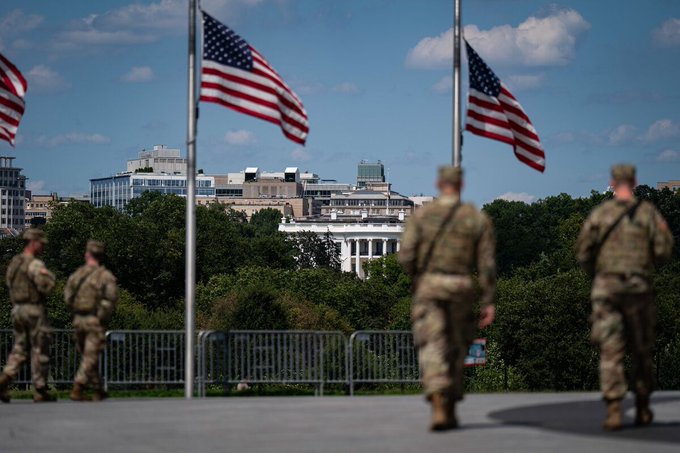
Former President Donald Trump’s recent actions represent a significant departure from the traditional approach taken by his predecessors regarding the use of armed forces within the United States. Historically, U.S. presidents have exercised restraint when deploying military personnel domestically, reserving such actions for extraordinary circumstances and often involving extensive legal and governmental procedures.
This shift has drawn attention to the evolving role of the military in domestic affairs and the potential implications for civil-military relations. Experts note that while the use of military force within borders is typically limited, recent actions by Trump have raised questions about the thresholds and protocols for such deployments, especially given the historical precedent of cautious civilian oversight.
The latest developments highlight a broader debate over the appropriate boundaries of military authority in the United States. Analysts and policymakers continue to examine what these actions mean for future presidential authority and the balance of power between military and civilian institutions in the country.
As the situation unfolds, observers are closely watching how these actions will influence public policy and the precedent they set for future administration decisions regarding domestic military deployment.