
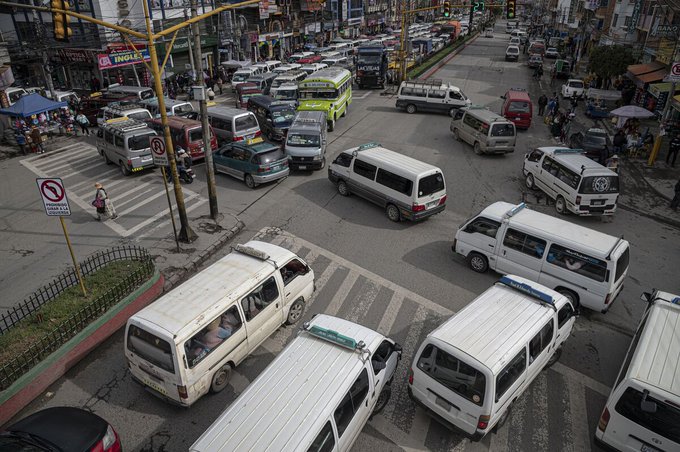
Bolivia’s leading presidential candidate has proposed legalizing vehicles that are currently smuggled into the country from neighboring Chile, a move that has stirred controversy among local authorities and neighboring nations. The candidate argues that legalizing these cars could boost revenue and reduce illegal trade, which is prevalent at border crossings. This proposal has gained significant attention amid Bolivia’s ongoing efforts to address informal economies and strengthen its legal trade channels.
However, the proposal has faced resistance from Chilean officials and regional stakeholders. Chile maintains that smuggling operations undermine their own legal trade and border security efforts, and they have expressed concern over potential diplomatic and economic repercussions. Critics in Bolivia also worry that legalization could incentivize more illegal crossings if not carefully regulated.
The topic has become a focal point in Bolivia’s upcoming presidential race, with opponents arguing that legalization may encourage smuggling rather than curb it. Supporters, on the other hand, believe it could serve as a pragmatic solution to longstanding border issues and economic disparities. As the debate unfolds, authorities on both sides are closely monitoring the discussions, wary of potential impacts on bilateral relations and regional stability.
The situation underscores broader regional challenges involving border security, illegal trade, and economic cooperation in South America. The outcome of Bolivia’s proposals could influence future policies on cross-border trade and legal frameworks for vehicle imports between the two nations.