
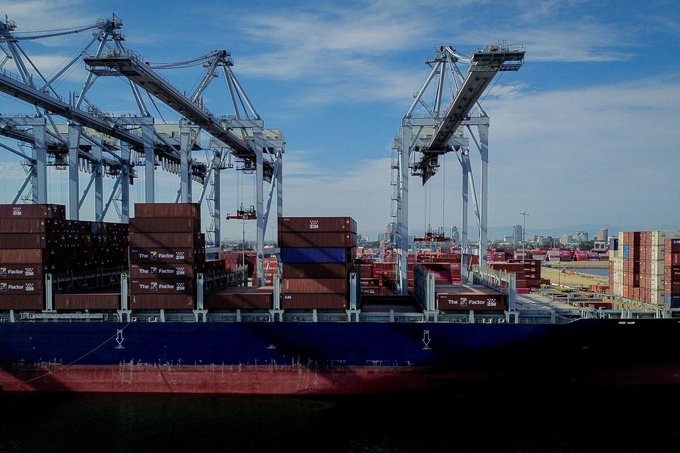
The United States is currently contemplating the implementation of tariffs as a response to an international proposal aimed at taxing ships for their carbon dioxide emissions. The proposal, developed by a coalition of nations and maritime industry stakeholders, seeks to finance climate change mitigation efforts by levying charges on vessels based on their greenhouse gas emissions. Such measures are seen by supporters as a necessary step to address the maritime sector’s contribution to global carbon emissions.
U.S. officials are evaluating the potential economic and environmental impacts of imposing tariffs, which could influence international shipping practices. The move comes amid broader efforts by nations worldwide to reduce greenhouse gases and meet commitments under international climate agreements. However, the proposal has also drawn concerns from industry groups and trade partners worried about increased costs and potential disruptions to global commerce.
The decision by the U.S. will likely play a significant role in shaping the future of the international shipping sector’s approach to emissions. While the aim is to incentivize greener practices, critics argue that tariffs could lead to trade tensions and logistics challenges. As negotiations continue, the U.S. government has reiterated its commitment to balancing environmental goals with economic stability in its response to the international emissions proposal.