
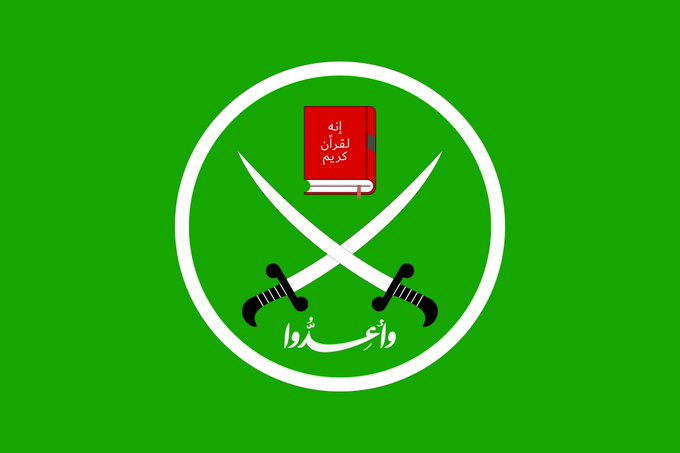
The Muslim Brotherhood is often discussed beyond its religious roots, as a significant political movement with extensive influence across the Middle East and beyond. Unlike a purely theological school or a minor cultural current, it is recognized as a structured, transnational organization with a clear political agenda. Analysts describe it as a project aimed at reshaping societies according to Islamist principles.
Founded in Egypt in 1928, the Muslim Brotherhood has grown into a complex entity with affiliated groups and networks in several countries. Its activities range from social and charitable work to overt political engagement, often advocating for the implementation of Islamic law and governance structures aligned with Islamist ideologies.
The organization’s influence has been a source of concern and controversy in many nations, where governments have sometimes viewed it as a threat to secular governance or stability. Some countries have banned or curtailed its activities, citing security concerns, while others have engaged with it as a political force. The Brotherhood’s role and legitimacy remain a contentious issue in regional and international politics.
Overall, the Muslim Brotherhood’s identity extends beyond religious expression, representing a strategic effort to promote Islamist principles through political means, making it a significant actor in contemporary political discourse across the Islamic world.