
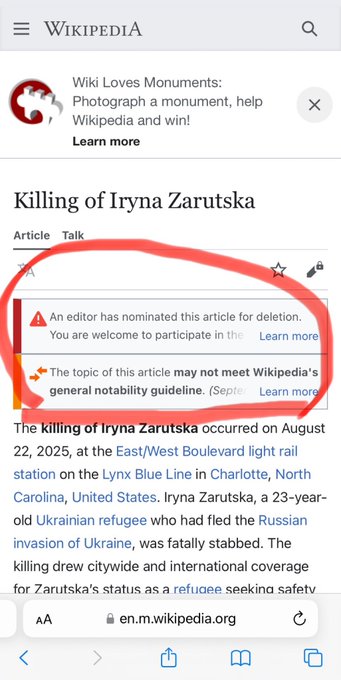
Concerns are mounting over efforts to distort or erase certain aspects of history, as some groups reportedly attempt to rewrite or suppress records related to specific events or figures. Critics argue that such actions threaten to undermine the integrity of historical record-keeping and hinder public understanding of past occurrences. These endeavors often involve removing monuments, altering textbooks, or deleting digital archives, raising alarms among educators, historians, and human rights organizations.
Experts warn that attempts to erase history can have lasting negative impacts on societal memory and accountability. By minimizing or eliminating references to uncomfortable or controversial episodes, there’s a risk of repeated mistakes and a diminished ability for future generations to learn from the past. Advocates for historical preservation emphasize the importance of transparency and the inclusive recording of history to foster awareness, empathy, and justice.
Authorities and community leaders are increasingly called upon to protect historical sites and ensure accurate, comprehensive education. While some argue that certain narratives should be challenged or reinterpreted, most agree that history should be preserved in its entirety to provide a truthful foundation for societal progress. The ongoing debate highlights the delicate balance between revisiting historical perspectives and safeguarding against attempts to distort or erase the past.