
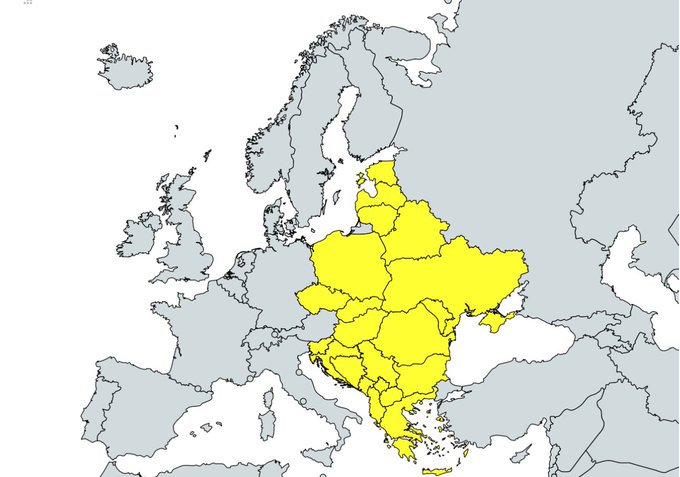
Since World War II, approximately 20 million people originating from Central Eastern Europe have migrated westward to regions including Western Europe, the Americas, and Australia. These migration patterns were driven by various factors such as economic opportunities, political upheaval, and security concerns during and after the war.
In recent years, economic growth and improved security conditions within Central Eastern Europe have contributed to shifts in migration trends. Many migrants and their descendants are now choosing to move back or stay within their home region, reflecting increased stability and opportunities locally.
This evolving migration landscape highlights a dynamic demographic change in Central Eastern Europe. As the region continues to develop economically and politically, migration patterns are expected to adapt accordingly, influencing local labor markets and cultural compositions.
Experts note that these shifts may have significant implications for regional development and integration, emphasizing the importance of understanding migration trends in shaping future policies and social cohesion.