
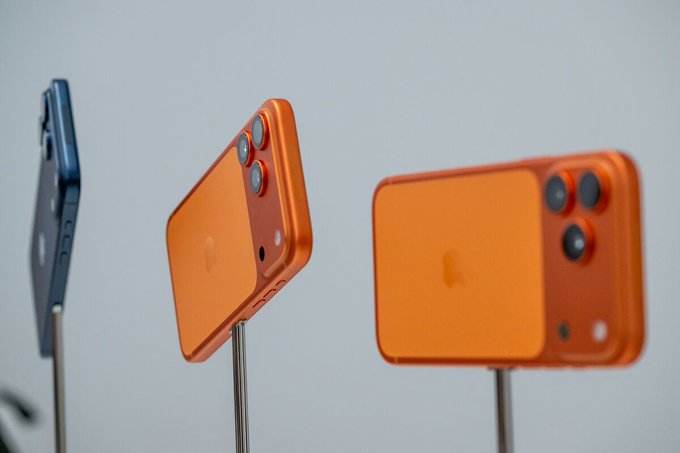
Since its debut in 2017, the Apple iPhone X set a new standard by introducing the $1,000 smartphone, marking a significant milestone in consumer electronics pricing. The launch of the device brought widespread attention to the premium price point, which was a notable shift from previous smartphone pricing models. Over the subsequent years, various manufacturers have followed suit, offering high-end smartphones at similar or higher price points, effectively establishing the $1,000 mark as a benchmark for flagship devices.
Despite advances in technology, camera systems, and hardware features, the cost of top-tier smartphones has seen minimal fluctuation since the introduction of the iPhone X. Manufacturers have largely maintained this pricing level, citing the integration of advanced components, innovative features, and the premium branding associated with flagship devices as justifications. This consistency suggests that the $1,000 price point has become an entrenched market standard for premium smartphones.
The stability of this pricing threshold has implications for consumers and the industry alike. While some view the high prices as reflective of continual technological innovation, others see it as a barrier to entry for a broader audience. As the smartphone market evolves, questions remain about whether manufacturers will push beyond this price point or seek alternative strategies to appeal to a wider range of consumers while maintaining high-end features.