
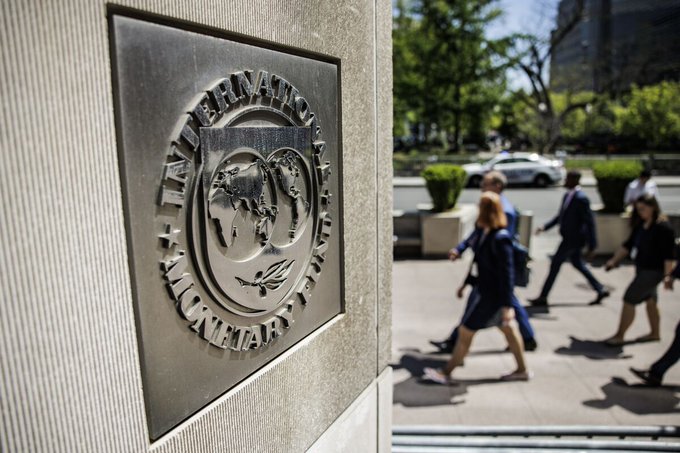
African nations collectively borrowed $69 billion from the International Monetary Fund (IMF) over the past five years, reflecting ongoing financial support amid economic challenges. The borrowing has been driven by the need to address fiscal deficits, stabilize currencies, and fund development projects in various countries across the continent.
Despite this substantial inflow of funds, the demand for IMF assistance is expected to remain high. Many African economies face persistent debt burdens, limited access to international markets, and vulnerability to external shocks such as fluctuations in commodity prices and geopolitical uncertainties. These factors contribute to continued reliance on international financial institutions for emergency funding and economic resilience.
Analysts highlight that while IMF support plays a critical role in stabilizing economies, it also raises questions about debt sustainability and long-term growth prospects. Countries must balance borrowing with efforts to improve domestic revenue mobilization, diversify their economies, and implement structural reforms to reduce dependency on external financial aid.
As external economic conditions evolve, the trend of borrowing from the IMF is likely to persist, underscoring the continent’s ongoing need for financial stability measures. Policymakers, international agencies, and stakeholders will need to work collaboratively to manage debt levels and foster sustainable economic development across African nations.