
Hungary has announced plans to develop new railway connections aimed at linking domestic car manufacturing facilities to Western European markets. The initiative is part of the country’s broader efforts to enhance its export infrastructure and boost industrial growth. The railway expansion is expected to facilitate more efficient transportation of goods, potentially increasing Hungary’s competitiveness in the automotive sector.
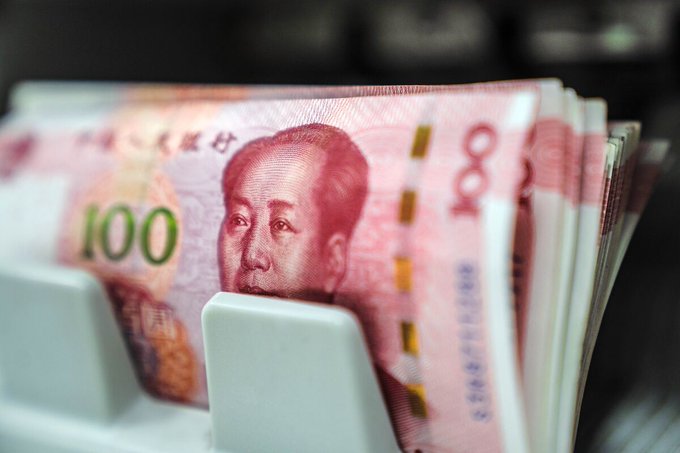
In a move to fund the infrastructure project, Hungary is turning to Chinese financial sources, reflecting a continued trend of seeking investment from China to support national development initiatives. The specifics of the financing arrangements have not been publicly detailed, but the involvement of Chinese capital underscores the country’s growing economic ties with China in infrastructure development.
The railway project is seen as a strategic step for Hungary to expand its geographical reach within the European market, especially given its role as a key manufacturing hub within the region. The decision to engage Chinese financing also aligns with Hungary’s efforts to diversify its sources of investment and foster deeper international cooperation.
As the construction progresses, officials emphasize its potential to create jobs and stimulate economic activity both within Hungary and across broader European markets. The project is part of Hungary’s long-term vision to modernize transportation networks and enhance its position in the global supply chain.