
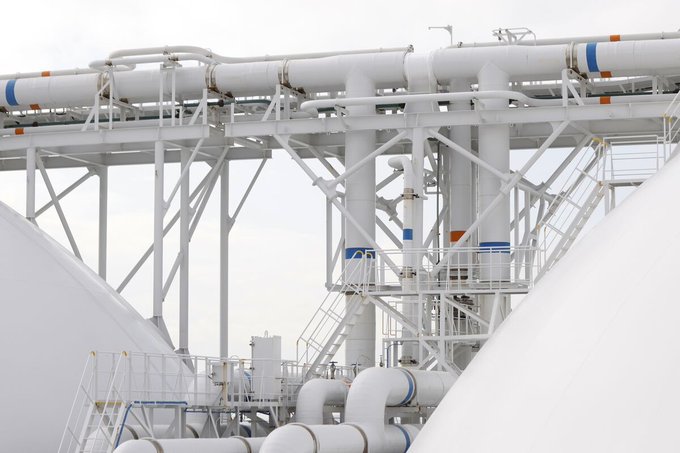
Gas has gained prominence as a transitional energy source in the global effort to reduce reliance on more pollutive fossil fuels like coal. Industry and policymakers often highlight its role in decreasing overall carbon emissions by replacing dirtier energy sources with cleaner-burning natural gas. This approach is seen as a viable interim step toward a more sustainable energy mix.
Supporters also emphasize the flexibility of natural gas in supporting renewable energy integration. Because renewables such as wind and solar are intermittent, natural gas plants can quickly ramp up or down to stabilize the electricity grid, ensuring a reliable power supply. This backup capacity makes gas a valuable component in many energy systems transitioning to renewables.
However, critics point out that while natural gas burns cleaner than coal and oil, it still produces significant greenhouse gases, including methane leaks during extraction and transport. Environmental concerns persist over continued reliance on fossil fuels, especially as renewable technologies and energy storage solutions advance.
As nations seek to balance energy reliability, economic considerations, and climate goals, gas continues to be debated as both a bridge and a transitional solution. The future role of natural gas will likely depend on technological developments, policy decisions, and the pace of renewable adoption worldwide.