
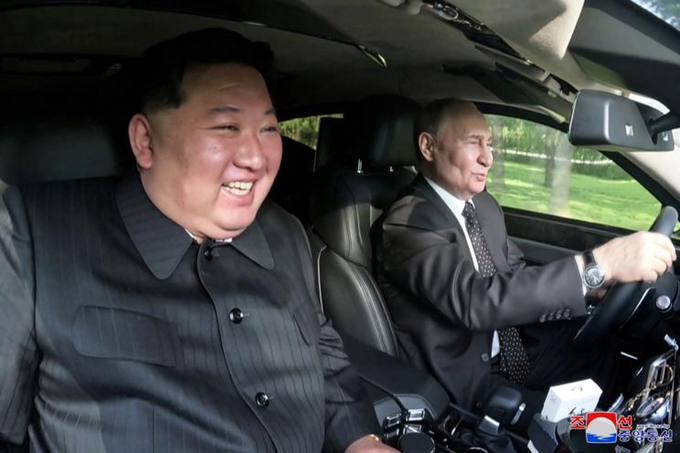
A recent report by the Friedrich Naumann Foundation titled “Unequal Partnership” highlights the limited benefits North Korea gains from its cooperation with Russia in the ongoing conflict in Ukraine. The study suggests that while Pyongyang provides Moscow with weapons and military support, the transfer appears to be largely one-sided, with North Korea receiving minimal tangible advantages in return.
The report emphasizes that North Korea’s involvement in the Russia-Ukraine conflict primarily serves its strategic interests in projecting power and securing diplomatic ties, rather than fostering mutual economic or security gains. Despite Moscow’s needs for military supplies, there is little evidence of significant reciprocal benefits or substantial cooperation that would bolster North Korea’s own national objectives.
Analysts note that North Korea’s engagement with Russia may be driven by geopolitical considerations, particularly in terms of countering Western influence and strengthening its own position amid ongoing international sanctions and diplomatic isolation. However, the report underscores the asymmetrical nature of this partnership, with North Korea seemingly bearing most of the operational costs without clear or direct rewards from Russia.
The dynamics of the Russia-North Korea relationship continue to evolve amidst broader geopolitical tensions. While Pyongyang’s support is notable, experts suggest that the alliance remains limited in scope and benefits for North Korea, raising questions about its long-term strategic value amid ongoing global developments.