
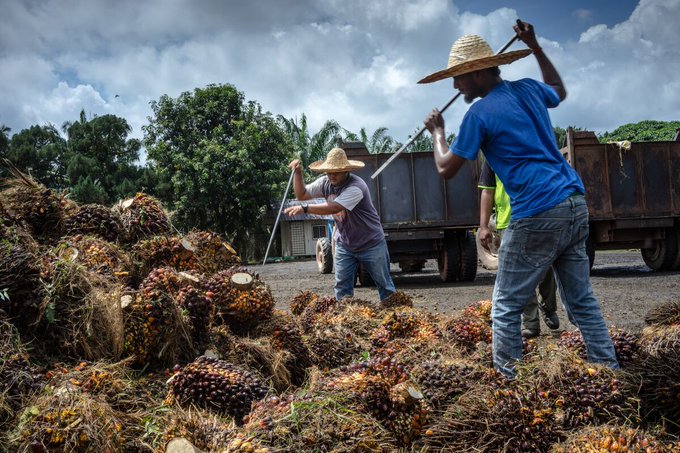
Palm oil prices experienced a rebound after declining to a one-week low, driven by a weakening Malaysian currency and expectations of reduced production. The Malaysian ringgit’s depreciation made palm oil more competitive in global markets, supporting prices.
Additionally, industry analysts anticipate a decrease in palm oil output in Malaysia for September, which could tighten supply and further bolster prices. The country’s palm oil production has remained a key factor influencing global supply and demand dynamics.
Market observers note that these factors have contributed to a short-term recovery in palm oil prices, despite broader commodity market fluctuations. However, traders remain cautious amid ongoing geopolitical and environmental concerns surrounding palm oil production.
Overall, the recent price movements highlight how currency fluctuations and production forecasts continue to influence the global palm oil market, which is closely watched by producers and consumers alike.