
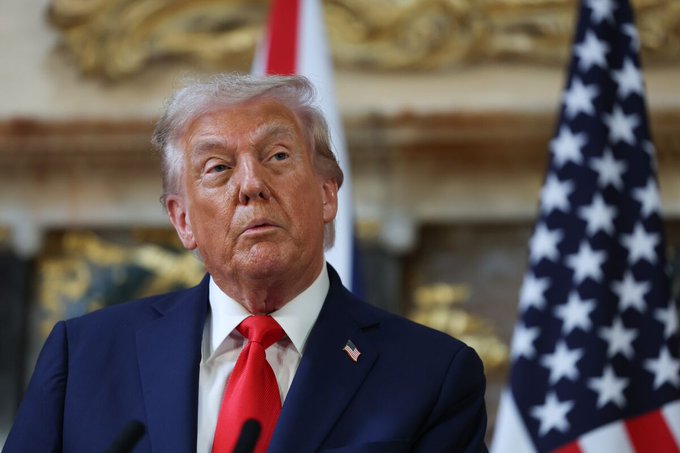
Former President Donald Trump has employed legal threats and regulatory pressure as strategic tools to influence major media outlets. Reports indicate that by leveraging the courts and his administration’s regulatory authority, Trump has succeeded in compelling several prominent media organizations to make concessions. These actions are part of a broader pattern where legal and institutional powers are used to shape media coverage.
The tactics reportedly involve either the actual use or the threat of legal action aimed at influencing journalists and outlets. Experts suggest that such strategies could impact the independence of media reporting, as outlets may feel pressured to alter coverage or avoid certain topics. This approach reflects the broader context of ongoing debates about the balance of power between the government, legal institutions, and the press.
Critics express concern that these methods undermine media independence and threaten the principles of free press. Supporters, however, argue that they are used as a means to combat alleged misinformation or biased coverage. As this dynamic unfolds, it raises questions about the impact of legal and regulatory tactics on journalistic integrity and the role of the media in a democratic society.