
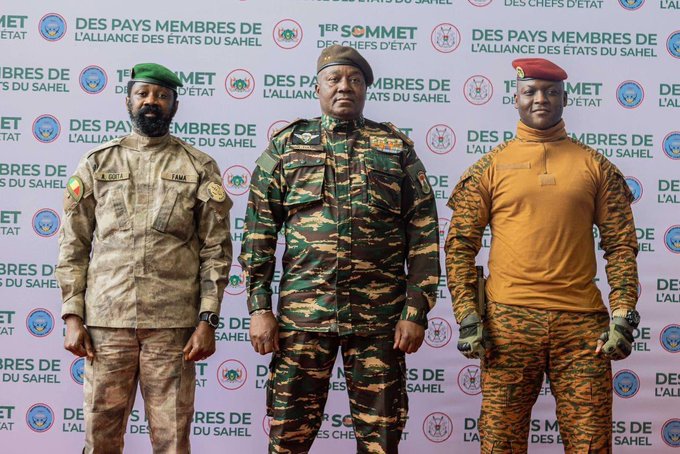
Burkina Faso, Mali, and Niger, three West African nations led by military juntas and aligned with Russia, have announced they will withdraw from the International Criminal Court (ICC). The governments described the ICC as a “neo-colonial” imperialist instrument, citing concerns over perceived bias and unfair prosecution of their countries.
The decision marks a significant shift in the region, where the ICC has historically acted to investigate and prosecute serious international crimes, including war crimes and crimes against humanity. The three nations have criticized what they see as selective justice that targets them while overlooking violations elsewhere.
The announcements follow recent political upheavals in the region, including coups that brought military leaders to power. These governments argue that their sovereignty is being undermined by the ICC’s actions and have vowed to establish their own mechanisms for addressing criminal accountability within their jurisdictions.
The move is likely to impact regional cooperation on justice and security issues, raising concerns among international partners about the enforcement of international law. The ICC has yet to comment on the formal withdrawal but continues to operate in many other African countries. The region’s future engagement with international justice institutions remains uncertain amidst these developments.