
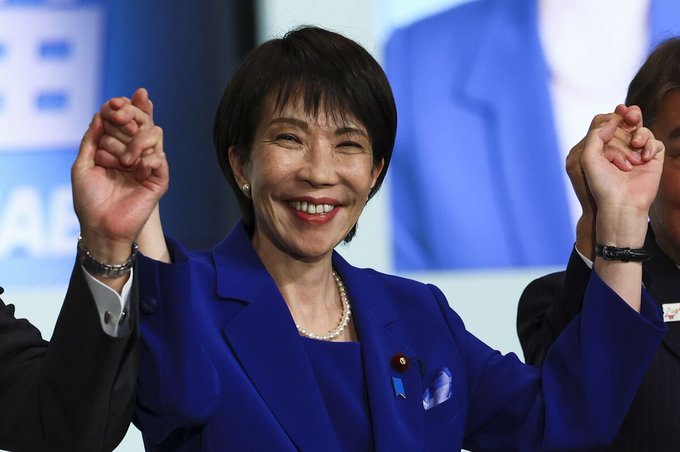
Japan is on the cusp of making history with its upcoming leadership change, as the country prepares to appoint its first-ever female prime minister. The anticipated leader is reportedly an avid admirer of Margaret Thatcher, the former British Prime Minister known for her strong conservative policies and decisive leadership style. This represents a significant political milestone for Japan, which has historically been led by male politicians.
The selection of the new leader has garnered widespread attention both domestically and internationally, with many viewing it as a potential shift towards more progressive gender representation in Japanese politics. However, some analysts caution that the leader’s admiration for Thatcher may influence her approach to governance, potentially leading to more assertive or controversial policies.
Commentators, including @GearoidReidy, have expressed a nuanced perspective, emphasizing the importance of balancing assertiveness with responsible leadership. They suggest that the new leader should work to rein in any reckless tendencies that might undermine stability or public trust, even as she seeks to break traditional barriers.
As Japan approaches this historic political transition, all eyes will be on her governance style and policy priorities. The nation’s first female leader faces the challenge of navigating Japan’s complex political landscape while shaping a new chapter in its leadership history.