
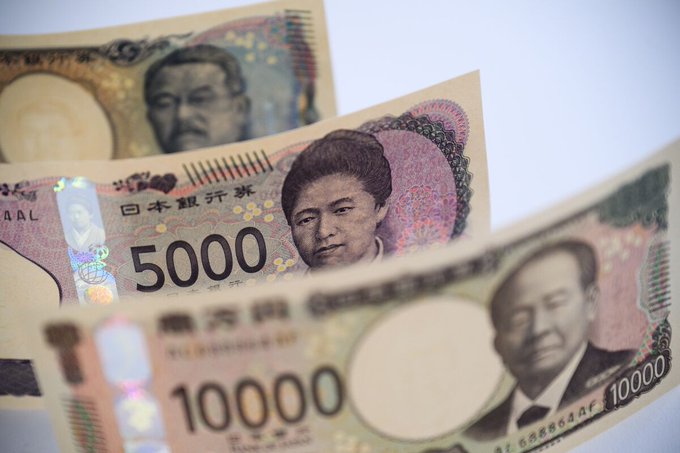
Options traders are showing the least bullish stance on the Japanese yen in over three years, reflecting growing market concerns about the currency’s outlook. The shift comes amid political developments in Japan, where Sanae Takaichi, a lawmaker known for her pro-stimulus stance, is widely expected to become the country’s next prime minister. Her imminent rise to power has contributed to a weakening of the yen, as traders anticipate policy shifts that may impact the currency.
The market reaction underscores the influence of political uncertainty and potential policy changes on the yen’s value. Takaichi’s platform favors extensive monetary easing and fiscal stimulus measures, which typically exert downward pressure on the currency. This has prompted a significant pullback among options traders, who are now less optimistic about the yen’s short-term prospects than they have been in over three years.
Financial analysts suggest that the declining trader sentiment reflects broader concerns about Japan’s economic policy direction and its impact on currency stability. The yen’s recent depreciation has implications for international trade and Japan’s economic outlook, particularly as political developments unfold and new policy priorities are clarified.
While the currency’s performance remains subject to global market dynamics, the current trend indicates investor caution amid political change. Market participants will likely continue monitoring Japan’s political landscape closely as they assess how future policies could influence the yen’s trajectory.