
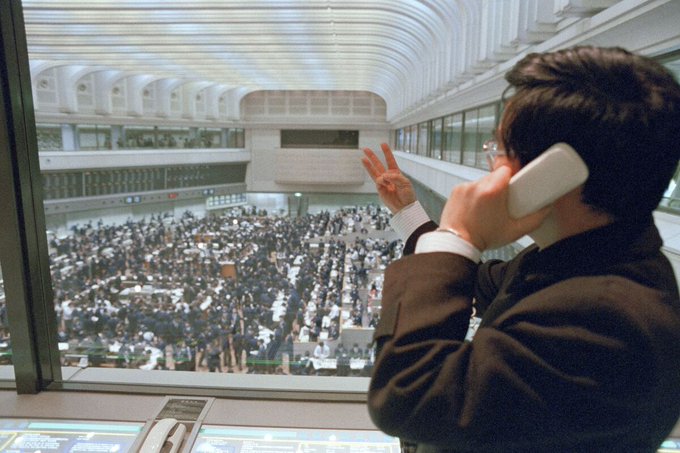
In the late 20th century, the United States experienced widespread concern over the growing influence of Japanese corporations. During the 1980s and early 1990s, many Americans viewed Japan as an economic threat, fearing that Japanese firms’ rapid expansion into industries such as automotive, electronics, and technology could undermine U.S. competitiveness. This period was marked by intense media coverage, government scrutiny, and public apprehension about the potential for foreign domination of key sectors.
The nervousness was fueled in part by Japan’s impressive economic growth, which saw it become the world’s second-largest economy after the United States. Japanese companies like Sony, Toyota, and Honda gained prominence in American markets, prompting fears of lost jobs and diminished industry leadership. The phenomenon also sparked a wave of protectionist policies and a cultural debate over globalization and economic security.
By the 2000s, many of the early fears subsided as Japan’s economic growth slowed and the global economy shifted. Japanese firms faced increased competition from other Asian nations and Western companies, while U.S. companies rebounded and adapted strategies. Today, while Japanese businesses remain influential, the initial panic about “Corporate Japan” has largely diminished, replaced by a more nuanced understanding of international economic integration and cooperation.