
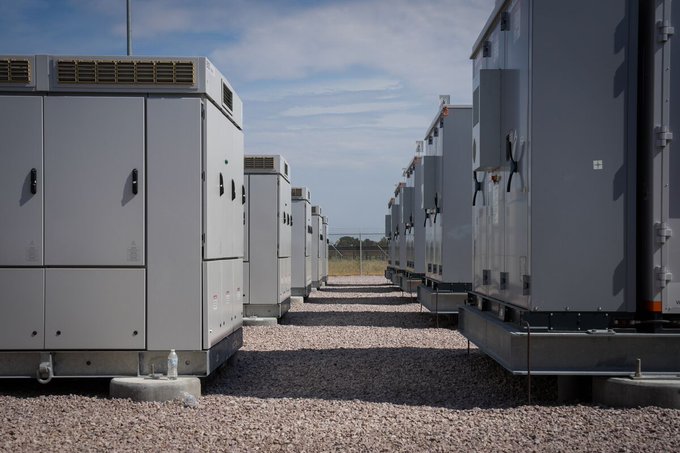
China has identified batteries as a new point of leverage in ongoing trade negotiations with the United States. As the U.S. seeks to bolster its energy infrastructure and meet rising demands from data centers, it remains heavily dependent on imported batteries, particularly those used for renewable energy storage and grid stabilization.
The strategic importance of batteries has grown amid efforts to transition to cleaner energy sources and enhance energy resilience. China, a leading producer of battery technology and components, has signaled that it may utilize this industry as a bargaining chip in trade discussions, potentially influencing the pace and terms of U.S. access to essential battery supplies.
This focus on batteries underscores the broader geopolitical and economic tensions surrounding critical raw materials and advanced technology sectors. As the U.S. continues its push for energy independence, China’s stance on battery exports could impact supply chains, pricing, and development timelines for key infrastructure projects.
Experts suggest that the outcome of these negotiations could have significant implications for global energy markets and the pace of renewable energy adoption in the United States. Both sides remain engaged in dialogue, balancing strategic interests with the critical need for reliable, sustainable energy solutions.