
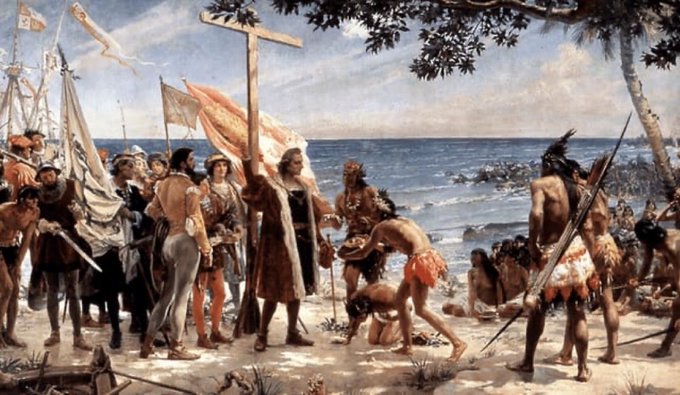
On October 12th, 1492, Christopher Columbus and his crew made landfall in the Americas, marking a pivotal moment in history. This event is widely regarded as the beginning of sustained European exploration and colonization of the New World. Columbus’s voyage, sponsored by Spain, ultimately opened the door for further exploration and expansion across the American continent.
The anniversary of this arrival is observed in various countries, particularly in Spain and Latin America. It is celebrated as “Día de la Hispanidad,” a day that honors Hispanic heritage, culture, and the historical connection to Spain’s exploration activities. In some regions, it also serves as a reflection on the complex history of exploration, including both the cultural exchanges and the conflicts that ensued.
While the holiday has its roots in celebration of Spanish heritage, it has also become a topic of discussion regarding historical perspectives. Critics highlight the impact of colonization on indigenous populations, calling for a balanced understanding of this historical event. The day remains significant in promoting cultural awareness and dialogue about history’s multifaceted nature.
Across the Spanish-speaking world, observances include parades, cultural activities, and educational programs. This commemoration continues to evoke both pride and reflection as societies consider their shared history and the ongoing influence of their heritage.